
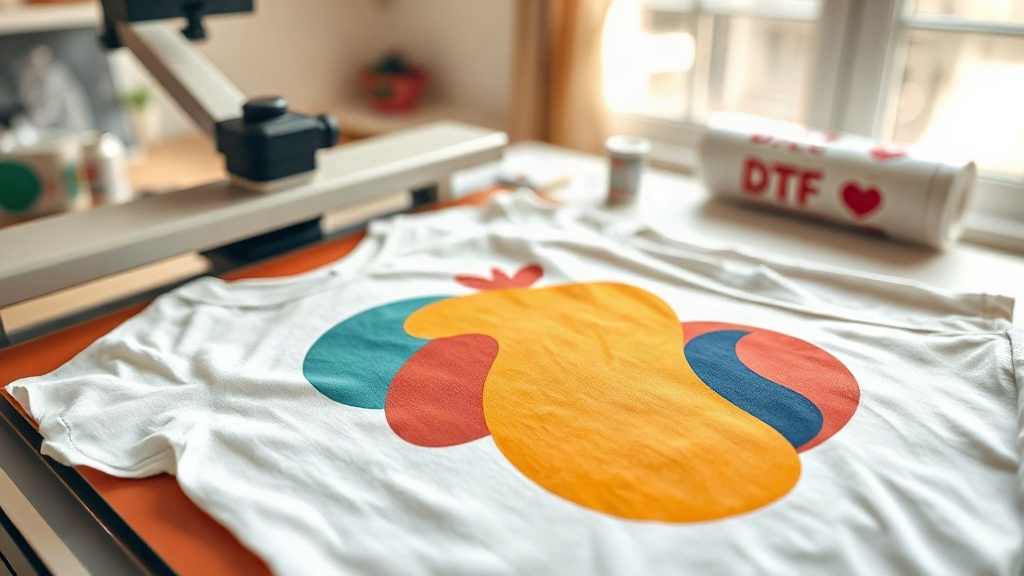
When you want to create custom apparel that stands out, the printing method you choose makes all the difference. DTF transfers have quickly become a favorite among crafters, small business owners, and DIY enthusiasts for their ability to produce vivid, long-lasting designs on a wide range of fabrics. Unlike traditional methods that limit you to certain materials, DTF transfers open up a world of possibilities, from cotton and polyester to blends and even nylon. In this guide, we'll dive deep into what DTF transfers are, how they work, and why they might be the perfect solution for your next project.
What Are DTF Transfers?
DTF stands for Direct to Film. It's a printing technology where your design is printed onto a special film, coated with a thermoplastic powder, and then heat-pressed onto the fabric. The result is a soft, stretchable, and incredibly durable print that bonds seamlessly with the material. Unlike DTG (Direct to Garment) printing, which requires pretreating and works best on 100% cotton, DTF transfers can adhere to almost any fabric, including polyester, cotton-poly blends, leather, and even glass. This versatility makes them a game-changer for anyone looking to personalize items without compromising on quality.
How DTF Transfers Work: Step by Step
Understanding the process helps you appreciate the craftsmanship behind each transfer. Here's a breakdown of the key steps:
- Design Preparation: Your artwork is prepared digitally, ensuring colors are vibrant and details are sharp. The design is then printed onto a PET film using specialized DTF inks.
- Powder Application: While the ink is still wet, a hot-melt adhesive powder is applied evenly over the print. Excess powder is shaken off, leaving a precise coating.
- Curing: The film passes through a curing oven or heat press to melt the powder, creating a smooth, adhesive layer that will bond with the fabric.
- Transfer: The cured film is placed onto the garment and heat-pressed at a specific temperature and pressure for a set time. The adhesive melts, fusing the design to the fabric.
- Peeling: After pressing, the film is peeled away (hot or cold peel depending on the film type), leaving the design permanently adhered.
Each step requires attention to detail, but the process is straightforward once you get the hang of it. Many suppliers offer pre-printed DTF transfers, so you can skip the printing and powdering steps and go straight to pressing.
Why Choose DTF Transfers Over Other Methods?
If you're wondering whether DTF is right for you, consider these advantages:
- Fabric Versatility: Works on cotton, polyester, blends, leather, and more. No need for multiple printing methods.
- Vibrant Colors: DTF inks produce bright, opaque colors that pop, even on dark garments. White ink is printed as a base, ensuring colors remain vivid.
- Durability: The prints resist cracking, peeling, and fading, even after multiple washes. Properly applied, they can outlast the garment itself.
- No Pretreatment: Unlike DTG, DTF doesn't require pretreating the fabric, saving time and resources.
- Cost-Effective for Small Runs: No minimum order quantities, making it ideal for one-off projects or small batches.
- Soft Hand Feel: The prints are thin and flexible, so they don't feel like a plastic patch on the shirt.
These benefits make DTF transfers an excellent choice for custom t-shirts, hoodies, tote bags, and even promotional items.
DTF vs. Other Printing Methods: A Quick Comparison
Let's see how DTF stacks up against common alternatives:
DTF vs. DTG
DTG is great for 100% cotton and offers a soft feel, but it requires pretreatment and can be finicky on blends. DTF works on almost any fabric and often produces more vibrant colors on dark shirts. However, DTG may have a slight edge in breathability on lightweight cotton.
DTF vs. Vinyl
Heat transfer vinyl (HTV) is popular for simple designs but is limited in color and detail. Layering multiple colors is time-consuming. DTF allows full-color, complex designs in one press, with no weeding required.
DTF vs. Screen Printing
Screen printing is cost-effective for large orders but has setup costs and is impractical for small batches. DTF shines for small to medium runs and offers photographic detail without the need for screens.
Applications of DTF Transfers
The versatility of DTF transfers means they can be used for a wide range of items:
- Apparel: T-shirts, hoodies, jeans, jackets, and sportswear. Perfect for personalizing team uniforms or creating custom merch.
- Accessories: Tote bags, hats, backpacks, and even shoes. Add logos or designs to any fabric accessory.
- Home Decor: Pillows, curtains, and upholstery. Create custom home textiles that reflect your style.
- Promotional Products: Corporate giveaways, event merchandise, and fundraising items. DTF allows for detailed logos and vibrant colors.
Whether you're a hobbyist or a business, DTF transfers can elevate your offerings.
Tips for Perfect DTF Transfers
To get the best results, follow these expert tips:
- Choose Quality Supplies: Not all DTF films and powders are created equal. Invest in reputable brands to ensure consistent results.
- Master Your Heat Press: Temperature, pressure, and time are critical. Always follow the film manufacturer's recommendations. A common setting is 320°F (160°C) for 15 seconds with medium pressure.
- Pre-Press Garments: Remove moisture and wrinkles from the fabric before transferring. This ensures proper adhesion.
- Test Peel: Do a small test to determine if the film requires hot or cold peel. This affects the final finish.
- Post-Press for Durability: After peeling, press again for a few seconds with a cover sheet to enhance wash resistance.
- Store Properly: Keep unused transfers in a cool, dry place away from direct sunlight to prevent premature curing.
With practice, you'll develop a rhythm and achieve professional-looking results every time.
Common Challenges and How to Overcome Them
Even with the best techniques, you might encounter issues. Here's how to troubleshoot:
Transfer Not Adhering
Insufficient pressure, incorrect temperature, or too short a press time can cause poor adhesion. Increase pressure, check temperature with a heat gun, and extend press time slightly.
Colors Look Dull
This often happens if the powder didn't cure properly or if the film was overheated. Ensure proper curing and follow the film's guidelines.
Cracking After Wash
Usually due to under-curing or stretching the garment while hot. Allow the garment to cool completely before stretching, and ensure full cure.
Film Peeling Off
If the film peels off with the design, it's likely a cold-peel film that was peeled hot, or vice versa. Check the film type and adjust.
Frequently Asked Questions About DTF Transfers
What fabrics can I use with DTF transfers?
DTF transfers work on a wide range of fabrics including cotton, polyester, cotton-poly blends, nylon, leather, and even some synthetic materials. They are not recommended for fabrics with a heavy texture or coatings that prevent adhesion.
How long do DTF transfers last?
With proper application and care, DTF transfers can last as long as the garment. They resist fading, cracking, and peeling for 50+ washes. Following wash instructions (inside out, cold water, no bleach) will maximize longevity.
Do I need a special printer for DTF transfers?
Yes, DTF printing requires a dedicated DTF printer that uses pigment inks and a film feeding system. However, you can purchase pre-printed transfers from suppliers if you don't want to invest in a printer.
Can I layer DTF transfers?
Yes, you can layer DTF transfers, but it's best to press each layer separately and use a cover sheet to protect the design. Layering can create a thicker feel, so it's often used for special effects.
What is the best temperature for pressing DTF transfers?
Most DTF transfers require a temperature between 300°F and 340°F (150°C to 170°C). Always check the instructions provided by your transfer supplier, as different films may have specific requirements.
Conclusion
DTF transfers have democratized custom apparel printing, offering unparalleled versatility and quality. Whether you're a small business owner looking to expand your product line or a DIY enthusiast wanting to create personalized gifts, DTF transfers provide a reliable, cost-effective solution. By understanding the process, choosing the right supplies, and following best practices, you can achieve professional results that delight your customers or recipients. So why not give DTF transfers a try? Your creativity is the only limit.