
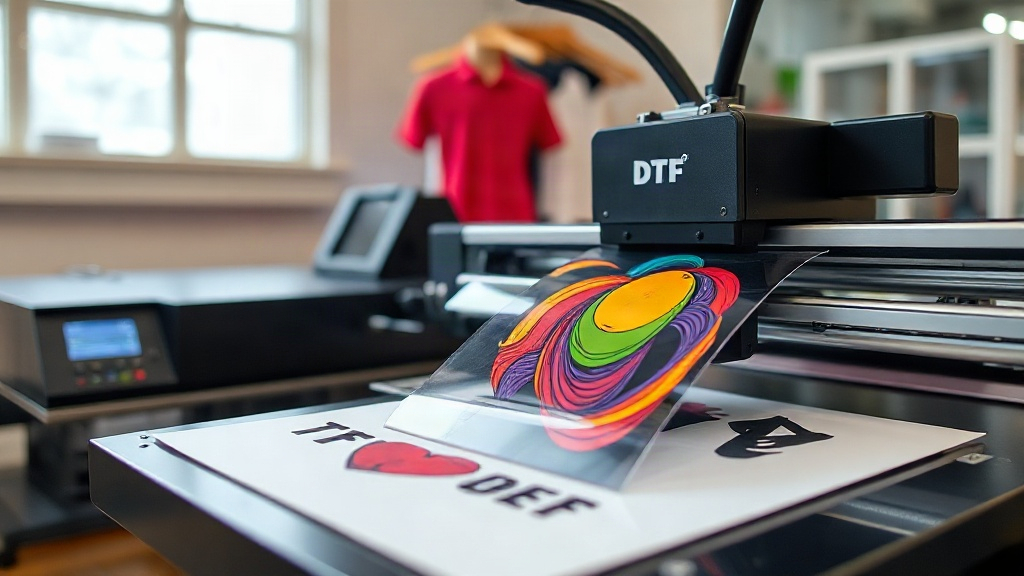
If you've been exploring the world of print on demand (POD), you've likely encountered the term DTF. Short for Direct to Film, this printing method has quickly become a favorite among creators who want vibrant, durable designs on a wide range of fabrics without the hassle of traditional screen printing. Whether you're a seasoned POD seller or just starting out, understanding DTF can open up new possibilities for your business.
In this guide, we'll walk you through everything you need to know about DTF printing: what it is, how it works, its advantages, and how you can leverage it for your print-on-demand store. By the end, you'll have a clear picture of whether DTF is the right fit for your next project.
What is DTF Printing?
DTF printing, or Direct to Film, is a relatively new printing technology that involves transferring a design onto a special film, then using heat and pressure to apply it to a garment or other fabric. Unlike DTG (Direct to Garment) printing, which prints directly onto the fabric, DTF uses a two-step process: first, the design is printed onto a PET film with special inks, then a powder adhesive is applied, and finally the film is heat-pressed onto the fabric.
This method has gained popularity because it works on almost any fabric, including cotton, polyester, blends, and even leather. It also produces vibrant, opaque colors that stand out, making it ideal for detailed designs and bright graphics.
The DTF Process Step by Step
- Design Preparation: Your artwork is prepared digitally, usually with a transparent background. It's then printed onto a special film using a DTF printer.
- Powder Application: While the ink is still wet, a thermoplastic powder is applied to the printed film. The excess powder is shaken off, leaving a thin layer that will act as an adhesive.
- Curing: The film with the powder is then heated to melt the powder, creating a smooth, dry transfer.
- Heat Press: The transfer is placed onto the fabric and pressed with a heat press at a specific temperature and time (usually around 300-320°F for 10-15 seconds).
- Peeling: After pressing, the film is peeled off (hot or cold peel depending on the film type), leaving the design bonded to the fabric.
This process might sound complex, but once you have the right equipment, it's quite efficient and can be done in-house or outsourced to a DTF printing service.
Why DTF Printing is a Game-Changer for Print on Demand
Print on demand has always been about flexibility and low upfront costs, but traditional methods like DTG or screen printing have limitations. DTF addresses many of these pain points, making it a versatile option for POD sellers.
1. Works on Almost Any Fabric
One of the biggest advantages of DTF is its compatibility with a wide range of materials. Whether you're printing on 100% cotton t-shirts, polyester athletic wear, or even canvas bags, DTF transfers adhere well and last long. This versatility means you can offer more products in your store without investing in multiple printing techniques.
2. Vibrant and Durable Prints
DTF prints are known for their bright, opaque colors. The white ink layer used in DTF printing allows designs to pop on both light and dark fabrics. Additionally, the prints are stretchable and crack-resistant, making them suitable for activewear and items that undergo frequent washing.
3. Cost-Effective for Small Batches
Unlike screen printing, which requires separate screens for each color and becomes cost-effective only at higher quantities, DTF is economical for small batches and one-off prints. This aligns perfectly with the print-on-demand model, where you only produce items as orders come in.
4. No Weeding or Cutting Required
If you've ever worked with heat transfer vinyl (HTV), you know the tedium of weeding tiny details. DTF eliminates that step entirely. The design is printed and ready to press, saving you time and reducing waste.
5. Easy to Store and Ship
DTF transfers are lightweight and can be stored for months without losing quality. This makes them ideal for international shipping or for keeping a inventory of popular designs ready to press when orders come in.
DTF vs. Other Printing Methods
To better understand where DTF fits, let's compare it to other common POD printing methods.
DTF vs. DTG
DTG prints directly onto the garment, which can be limiting for dark or synthetic fabrics. DTF, on the other hand, uses a transfer that can be applied to virtually any fabric. DTF also tends to have more vibrant colors and better durability on polyester. However, DTG can be more cost-effective for 100% cotton items in large quantities.
DTF vs. Screen Printing
Screen printing is the go-to for large orders with few colors, offering excellent durability and a soft feel. But it's not practical for small batches or complex designs. DTF shines in those areas, providing similar durability without the setup costs.
DTF vs. Sublimation
Sublimation requires polyester-coated items and works best on light-colored fabrics. DTF can print on cotton and dark colors, making it more versatile for a wider range of products.
Getting Started with DTF Printing
If you're convinced that DTF is worth exploring, here's how to get started.
Equipment You'll Need
- DTF Printer: A specialized printer that uses DTF inks. Prices range from a few thousand dollars for entry-level models to tens of thousands for industrial machines.
- DTF Film: PET film designed for DTF printing. Available in sheets or rolls.
- DTF Powder: Thermoplastic adhesive powder. There are different types for different fabrics.
- Heat Press: A reliable heat press capable of reaching 320°F and applying even pressure.
- Curing Oven or Heat Gun: To melt the powder onto the film.
Alternatively, you can outsource your DTF printing to a service. Many POD suppliers now offer DTF transfers or even finished products with DTF prints.
Design Tips for DTF
- Use high-resolution images (300 DPI) for crisp details.
- Incorporate white underbase for vibrant colors on dark fabrics.
- Avoid very fine lines or tiny text, as they may not adhere well.
- Test different fabrics to ensure compatibility and wash durability.
Common Challenges and How to Overcome Them
While DTF is versatile, it's not without challenges. Here are a few common issues and solutions.
Adhesion Problems
If the transfer peels off after washing, it could be due to insufficient pressure, incorrect temperature, or using the wrong powder. Ensure your heat press is calibrated and follow the recommended settings for your film and powder.
Color Fading
Fading can occur if the print is not properly cured or if the garment is washed in hot water. Always wash inside out in cold water and avoid bleach.
Film Sticking
If the film sticks to the fabric during peeling, you might be peeling too soon or too late. Try hot peel or cold peel depending on your film type, and practice the timing.
Is DTF Right for Your Print on Demand Business?
DTF printing offers a compelling mix of versatility, durability, and cost-effectiveness that aligns well with the print-on-demand model. If you're looking to expand your product range to include different fabrics and vibrant designs, DTF is worth considering. However, if you primarily print on 100% cotton in large volumes, DTG or screen printing might still be more economical.
As with any printing method, success with DTF comes down to testing, quality control, and understanding your customers' needs. Start with a small setup or partner with a service to see if it fits your workflow.
Frequently Asked Questions about DTF Printing
What does DTF stand for in printing?
DTF stands for Direct to Film. It's a printing method where designs are printed onto a special film and then heat-pressed onto fabric.
Can DTF prints be washed?
Yes, DTF prints are durable and can withstand multiple washes if cared for properly. Wash inside out in cold water and avoid harsh chemicals.
Is DTF better than DTG?
It depends on your needs. DTF is more versatile across fabrics and offers vibrant colors on dark materials, while DTG is better for 100% cotton and can be more cost-effective for large orders.
How long do DTF transfers last?
When stored properly in a cool, dry place, DTF transfers can last up to 6 months or more. Once applied, the print can last as long as the garment with proper care.
Do I need a special printer for DTF?
Yes, you need a DTF printer that uses DTF inks and is designed to print on film. Alternatively, you can outsource to a DTF printing service.