
If you've been exploring custom apparel printing, you've likely heard about DTF transfers. This innovative technology is transforming how creators and businesses approach garment decoration. Unlike traditional methods that require specific fabrics or multiple steps, DTF transfers offer a versatile, cost-effective solution for vibrant, durable prints. In this guide, we'll walk you through everything you need to know to get started with DTF transfers and achieve professional results.
What Are DTF Transfers?
DTF stands for Direct to Film. It's a printing process where your design is printed onto a special film, coated with a heat-activated adhesive powder, and then transferred to your fabric using a heat press. The result is a soft, stretchable print that bonds beautifully to cotton, polyester, blends, and even tough-to-print materials like nylon and leather. Because the design sits on top of the fabric rather than being dyed into it, DTF transfers deliver bright, opaque colors that pop on both light and dark garments.
Why Choose DTF Transfers?
There are plenty of reasons why DTF transfers have become a favorite among print shops and hobbyists alike. Here are a few standout benefits:
- No weeding or masking: Unlike vinyl, DTF transfers come ready to press. You simply cut the film to size (if needed) and press. No tedious weeding of tiny details.
- Works on almost any fabric: Cotton, polyester, blends, spandex, leather, and more. You're not limited to 100% cotton like with some other methods.
- Vibrant, full-color prints: DTF uses CMYK plus white ink to produce rich, detailed images with fine gradients and photo-realistic quality.
- Durable and stretchable: When applied correctly, DTF prints withstand repeated washing and stretching without cracking or fading.
- Cost-effective for small batches: No minimum order quantities, no setup fees. Print one or one hundred with the same ease.
How DTF Transfers Work: Step by Step
Understanding the process helps you troubleshoot and perfect your technique. Here's a breakdown of the DTF workflow:
1. Design Preparation
Start with a high-resolution image (300 DPI is ideal). Remember that DTF prints are opaque, so you don't need to worry about background transparency. However, if your design has fine lines or small text, ensure they're thick enough to hold up during transfer. Mirrored images are standard for DTF, so flip your design horizontally before printing.
2. Printing onto Film
Using a DTF printer, your design is printed onto a PET film. The printer lays down CMYK inks followed by a white ink layer. The white ink acts as a base, allowing the colors to show up vividly on dark fabrics. After printing, the film is dusted with a hot-melt adhesive powder, which is then melted into the ink using a heat source (often a curing oven or heat press).
3. Transferring to Fabric
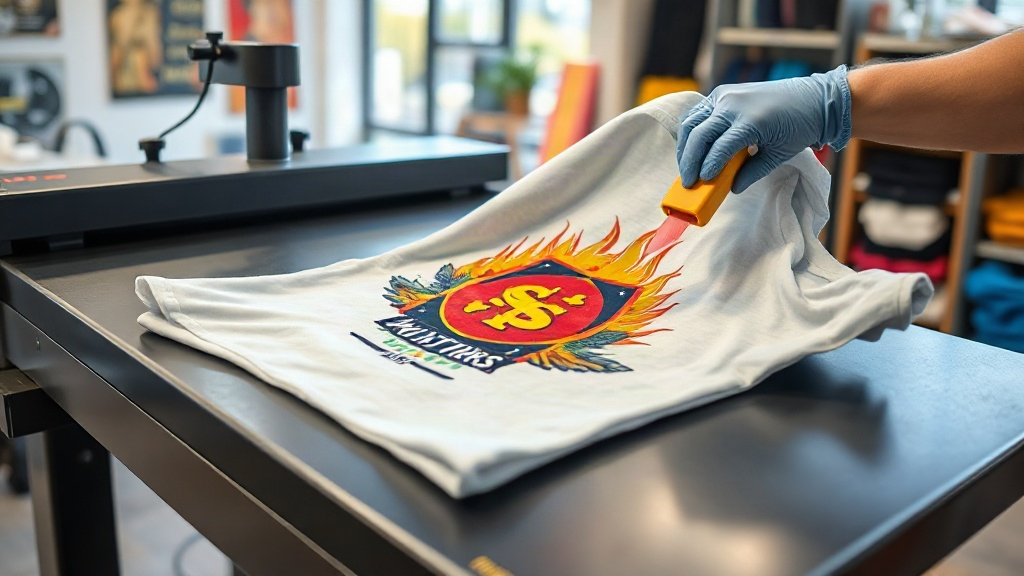
Once your transfer is ready, it's time to press. Set your heat press to the recommended temperature (usually 300-320°F / 150-160°C) and medium pressure. Pre-press the garment for a few seconds to remove moisture. Place the transfer on the fabric with the ink side down, and press for 10-15 seconds. Let it cool completely before peeling off the film. For a softer feel, you can press again for a few seconds after peeling.
4. Post-Pressing and Care
After peeling, a second press for 5-10 seconds can improve adhesion and wash durability. Wait 24 hours before washing. Turn the garment inside out and wash in cold water. Avoid bleach and fabric softeners, and tumble dry low or hang dry.
Common Challenges and How to Overcome Them
Even with a straightforward process, issues can arise. Here are some common problems and their solutions:
- Peeling or cracking: Usually caused by insufficient pressure, wrong temperature, or not enough time. Adjust your heat press settings and ensure even pressure.
- Faded colors: Could be due to outdated film, low ink levels, or improper powder application. Always use quality supplies and follow the manufacturer's guidelines.
- Sticky residue: If the transfer feels tacky after cooling, you might have over-pressed or used too much powder. Reduce powder and check temperature.
DTF vs. Other Printing Methods
How does DTF stack up against DTG, screen printing, and vinyl? Each has its strengths, but DTF shines in versatility and cost for small to medium batches. DTG is great for 100% cotton but struggles on blends; screen printing offers unbeatable durability for large runs but requires setup costs; vinyl is limited in color and detail. DTF bridges the gap, offering detailed, full-color prints on almost any fabric without minimums.
Tips for Flawless DTF Transfers
- Invest in a quality heat press: Even pressure and accurate temperature are crucial. A clamshell or swing-away press with digital controls works best.
- Test your settings: Every fabric and transfer brand behaves differently. Keep a log of successful settings for future reference.
- Store transfers properly: Keep unused transfers in a cool, dry place away from direct sunlight to prevent premature curing.
- Use a Teflon sheet or parchment: Protect your press and garment from ink transfer.
- Practice peeling: Some transfers are hot-peel, others cold-peel. Know which type you have and follow instructions.
Frequently Asked Questions About DTF Transfers
Can I use DTF transfers on 100% polyester?
Absolutely. DTF transfers adhere well to polyester and polyester blends. However, because polyester is heat-sensitive, use a lower temperature (around 280-300°F) and shorter press time to avoid scorching or dye migration. Always test on a scrap piece first.
How long do DTF transfers last?
With proper application and care, DTF transfers can last as long as the garment itself. They resist cracking, peeling, and fading through dozens of washes. Following the washing instructions (inside out, cold water, no bleach) will maximize longevity.
Do I need a special printer for DTF transfers?
Yes, DTF requires a dedicated DTF printer that uses DTF inks and can handle the film. However, you can also purchase pre-printed transfers from suppliers if you don't want to invest in a printer. Many small businesses start by outsourcing transfers and later bring printing in-house.
What's the difference between DTF and DTG?
DTG (Direct to Garment) prints directly onto the fabric, while DTF prints onto a film first and then transfers. DTF works on more fabric types and often produces more vibrant colors on dark garments. DTG is limited mostly to cotton and requires pre-treatment.
Can I stretch DTF prints?
Yes, DTF transfers are stretchable and flexible, making them ideal for athletic wear and garments that need to move with the body. The print won't crack when stretched if applied correctly.
With this knowledge, you're ready to dive into the world of DTF transfers. Whether you're a hobbyist or a growing business, DTF offers a reliable, high-quality way to bring your designs to life on a wide range of fabrics. Happy printing!