
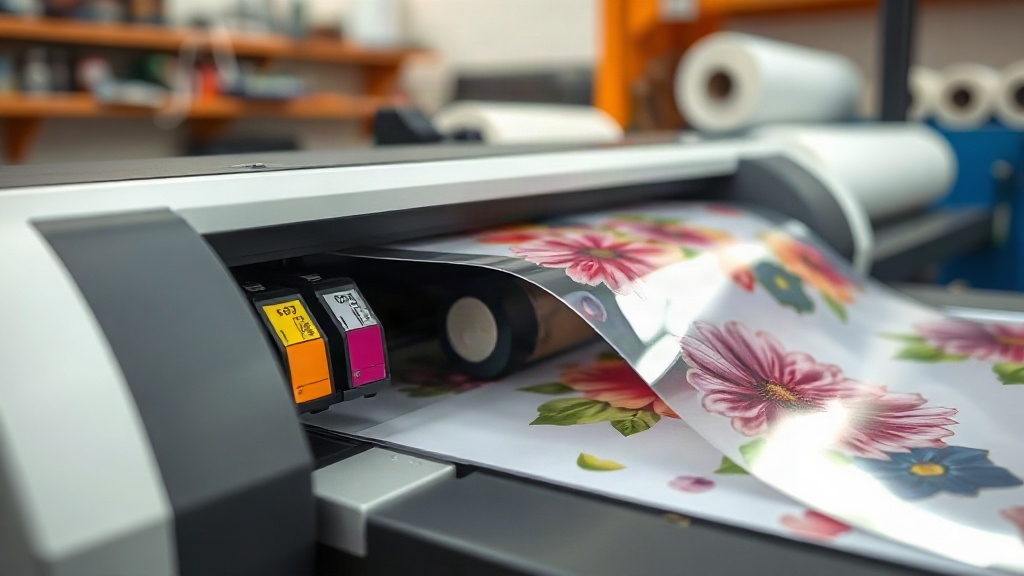
If you've been exploring custom apparel printing, you've likely encountered the term DTF. Short for Direct-to-Film, this method has quickly become a favorite among crafters and small business owners for its versatility and vibrant results. Unlike traditional techniques that require specific fabrics or extensive setup, DTF printing offers a streamlined approach that works on almost any material. In this guide, we'll break down everything you need to know about DTF printing, from the basic process to practical tips for getting started.
What Is DTF Printing?
DTF printing is a digital printing method where your design is printed onto a special film, coated with adhesive powder, and then heat-pressed onto the fabric. The magic lies in the transfer: the film acts as a carrier, allowing the ink to adhere to the garment without needing pre-treatment or specialized fabrics. This sets DTF apart from DTG (Direct-to-Garment), which often requires 100% cotton and pre-treatment for best results.
The process involves a few key steps: designing your artwork, printing it onto the film using a DTF printer, applying hot melt adhesive powder, curing the powder, and finally pressing the transfer onto your item. Each step is straightforward, but attention to detail ensures a durable, professional finish.
Why Choose DTF Printing?
There are several compelling reasons why DTF printing has gained such a strong following:
- Fabric versatility: Works on cotton, polyester, blends, and even nylon and leather. No need to stock multiple techniques.
- No pre-treatment: Saves time and avoids chemicals, making it cleaner and faster.
- Vibrant colors: Produces bright, detailed prints with fine lines and gradients.
- Durability: When applied correctly, DTF transfers withstand repeated washing without cracking or fading.
- Cost-effective for small batches: No minimum order quantities, ideal for custom orders.
For a deeper dive into the advantages, check out our article on DTF printing benefits.
DTF vs. Other Printing Methods
How does DTF stack up against other popular methods? Let's compare:
DTF vs. DTG
DTG excels on 100% cotton but requires pre-treatment and can struggle with polyester. DTF handles both with ease, though DTG may have a slight edge in breathability for large solid areas on cotton.
DTF vs. Screen Printing
Screen printing is cost-effective for large runs but involves setup costs and is limited to one color per screen. DTF shines for detailed, multi-color designs and small batches, with no setup fees.
DTF vs. Vinyl
Vinyl is great for simple shapes but can't reproduce complex images. DTF transfers full-color graphics with gradients and fine details, making it superior for photographic designs.
Getting Started with DTF Printing
Ready to dive in? Here's what you'll need:
- DTF printer: Options range from entry-level to industrial. Popular brands include Epson conversions and purpose-built machines.
- DTF film: Available in rolls or sheets. Choose a quality film for consistent results.
- Adhesive powder: Hot melt powder that bonds the ink to the fabric.
- Heat press: For applying the transfer. A reliable press ensures even pressure and temperature.
- Design software: Any graphic design tool works; ensure your design is mirrored before printing.
For a step-by-step tutorial, see our guide on how to DTF print.
Tips for Successful DTF Printing
To achieve professional results, keep these tips in mind:
- Mirror your design: Since the film is pressed face-down, your artwork must be flipped horizontally.
- Control moisture: Humidity can affect powder adhesion. Store film and powder in a dry environment.
- Test your press: Each fabric and transfer may require different temperature, pressure, and time. Start with 160°C (320°F) for 15 seconds and adjust.
- Use quality materials: Cheaper film or powder can lead to poor durability or dull colors.
- Post-press care: Wait 24 hours before washing. Turn garments inside out and avoid fabric softener.
Common Challenges and Solutions
Even with the best setup, you might encounter issues. Here's how to troubleshoot:
Ink Not Transferring Fully
Increase pressure or temperature. Ensure the powder is properly cured and the film is not expired.
Design Cracking After Wash
This usually indicates under-cured powder or insufficient pressure. Try increasing curing time or press pressure.
Colors Look Dull
Use higher-quality ink and film. Also, ensure your printer's settings are optimized for DTF printing.
Frequently Asked Questions About DTF Printing
What fabrics can I use with DTF printing?
DTF printing works on a wide range of fabrics, including cotton, polyester, blends, nylon, and even leather. It's particularly useful for fabrics that are difficult to print on with other methods.
How long does a DTF transfer last?
When applied correctly and cared for properly, DTF transfers can last as long as the garment itself. Expect 50+ washes without significant fading or cracking.
Do I need a special printer for DTF?
Yes, you need a printer that uses DTF ink and is designed for film printing. Many people convert Epson printers, but purpose-built DTF printers are also available.
Is DTF printing cost-effective for small businesses?
Absolutely. With no minimum orders and low setup costs, DTF is ideal for small businesses, crafters, and anyone doing on-demand printing.
Can I use DTF on dark colors?
Yes, DTF printing includes a white ink layer that makes designs pop on dark fabrics. This is one of its key advantages over other methods.
Whether you're a hobbyist or a growing business, DTF printing opens up a world of possibilities for custom apparel. With its ease of use and impressive results, it's no wonder this technology is taking the printing world by storm. So why not give it a try? Your customers will love the vibrant, durable prints.