
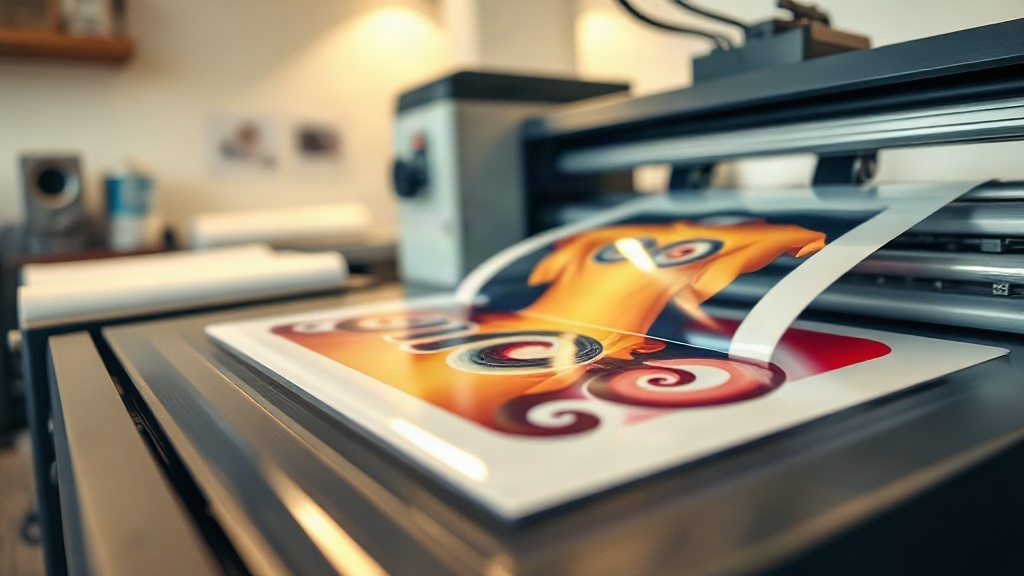
If you're in the print on demand (POD) world, you've likely heard about DTF printing. It's a relatively new method that's quickly gaining traction among sellers and creators. Unlike traditional POD techniques like direct-to-garment (DTG) or sublimation, DTF offers a unique blend of vibrant colors, durability, and versatility across different fabrics. In this guide, we'll walk through what DTF is, how it works, and why it might be the perfect fit for your POD business.
What is DTF Printing?
DTF stands for Direct-to-Film. It's a printing process where your design is printed onto a special film, coated with a powder adhesive, and then heat-pressed onto the fabric. The result is a soft, stretchable print that adheres well to cotton, polyester, and blends. Unlike DTG, which requires pre-treatment and works best on 100% cotton, DTF can be used on a wide range of materials, including dark colors and synthetic fabrics.
The DTF Process Step by Step
- Design Preparation: Your artwork is prepared digitally, usually with a transparent background. It's then printed onto a PET film using specialized DTF inks.
- Powder Application: While the ink is still wet, a thermoplastic powder is applied to the film. The excess powder is shaken off, leaving a thin layer that will act as the adhesive.
- Curing: The film goes through a curing oven or heat press to melt the powder, creating a solid, flexible layer.
- Transfer: The film is placed on the garment and heat-pressed. After cooling, the film is peeled away, leaving the design bonded to the fabric.
This process can be done in-house with a dedicated DTF printer and supplies, or outsourced to a DTF printing service that integrates with your POD store.
Why DTF is a Game-Changer for Print on Demand
Print on demand is all about efficiency: no inventory, no minimums, and on-demand production. DTF fits perfectly into this model because it eliminates many of the limitations of other methods.
1. Fabric Versatility
With DTF, you're not restricted to cotton. You can print on polyester, blends, and even nylon. This opens up a wider range of products, from performance wear to canvas bags. For POD sellers, this means you can offer more options to your customers without investing in different equipment.
2. No Pre-Treatment Required
DTG printing often requires pre-treating the garment to ensure the ink adheres properly, especially on dark colors. DTF skips this step entirely. The adhesive powder handles the bonding, so you save time and avoid chemical hassles.
3. Vibrant Colors and Fine Details
DTF prints are known for their bright, opaque colors and ability to reproduce intricate details. Whether you're printing a photo or a complex illustration, DTF delivers sharp results. The white ink layer underneath ensures that colors pop even on dark fabrics.
4. Durability and Feel
When done correctly, DTF prints are durable and stretch with the fabric without cracking. The feel is soft and lightweight, not plasticky like some heat transfers. Customers appreciate the quality, which can lead to repeat business.
DTF vs. Other POD Methods
To understand where DTF shines, let's compare it to DTG and sublimation.
DTF vs. DTG
- Fabric: DTG works best on 100% cotton; DTF works on almost any fabric.
- Pre-treatment: DTG requires pre-treatment; DTF does not.
- Color vibrancy: Both offer good color, but DTF often has an edge on dark colors due to the white ink layer.
- Setup cost: DTG printers are expensive; DTF printers are generally more affordable.
DTF vs. Sublimation
- Fabric: Sublimation requires polyester or polymer-coated items; DTF works on cotton and blends.
- Color: Sublimation dyes the fabric, so the print becomes part of the material; DTF sits on top but is still durable.
- White ink: Sublimation cannot print white; DTF can.
How to Get Started with DTF for Your POD Business
Ready to try DTF? Here are the steps to integrate it into your print on demand workflow.
1. Choose Your Path: In-House or Outsourced
If you want full control and have the budget, invest in a DTF printer. Entry-level models start around $1,500, but you'll also need a heat press, powder, film, and inks. Alternatively, partner with a DTF printing service that offers API integration with platforms like Shopify, Etsy, or WooCommerce. This is ideal if you want to test the waters without a large upfront investment.
2. Prepare Your Artwork
DTF requires high-resolution images with transparent backgrounds. Use design software like Photoshop or Illustrator to ensure your file is print-ready. Pay attention to color profiles: DTF printers use CMYK inks, so convert RGB designs to CMYK for accurate colors.
3. Master the Heat Press
The transfer step is critical. Temperature, pressure, and time all affect the final result. Typically, you'll press at 300-320°F for 10-15 seconds. Always test on a scrap garment first. Too much heat can scorch the fabric; too little can cause the print to peel.
4. Market Your DTF Products
Highlight the benefits: vibrant colors, durability, and suitability for various fabrics. Create mockups that show the print on different garments. Since DTF allows for small details, showcase designs that wouldn't work well with other methods.
Common Challenges and How to Overcome Them
DTF isn't without its quirks. Here are some issues you might face and how to solve them.
Film Peeling or Cracking
If the film peels off during transfer, it might be due to insufficient pressure or incorrect temperature. Adjust your heat press settings and ensure even pressure across the platen.
Faded Colors After Washing
This often happens if the print wasn't cured properly. Make sure the powder is fully melted during the curing step. Also, advise customers to wash garments inside out in cold water and avoid tumble drying.
Inconsistent Results
Consistency comes with practice. Keep a log of settings for each fabric type. Humidity can affect powder application, so store supplies in a dry environment.
Is DTF Right for Your Print on Demand Store?
If you offer a variety of apparel and want to avoid the limitations of DTG or sublimation, DTF is worth considering. It's especially beneficial if you sell to customers who prefer polyester or blended fabrics, or if you want to print on dark colors without pre-treatment. The startup costs for in-house DTF are moderate, and outsourcing is easy. As the technology advances, we can expect even better quality and lower costs, making DTF a staple in the POD industry.
Frequently Asked Questions
What fabrics can I use with DTF printing?
DTF works on a wide range of fabrics, including cotton, polyester, blends, nylon, and even leather. It's one of the most versatile printing methods available.
Do I need special equipment for DTF?
Yes, you need a DTF printer, heat press, PET film, DTF ink, and adhesive powder. Alternatively, you can use a DTF printing service that handles production for you.
How durable are DTF prints?
When properly applied and cared for, DTF prints can last as long as the garment. They resist cracking and fading, even after multiple washes.
Can I use DTF for small orders?
Absolutely. DTF is perfect for print on demand because there's no minimum order quantity. You can print one-off designs without extra cost.
Is DTF more expensive than DTG?
The cost per print for DTF is often lower than DTG, especially when you factor in the lack of pre-treatment. However, initial equipment costs vary. Outsourcing can be cost-effective for low volumes.