
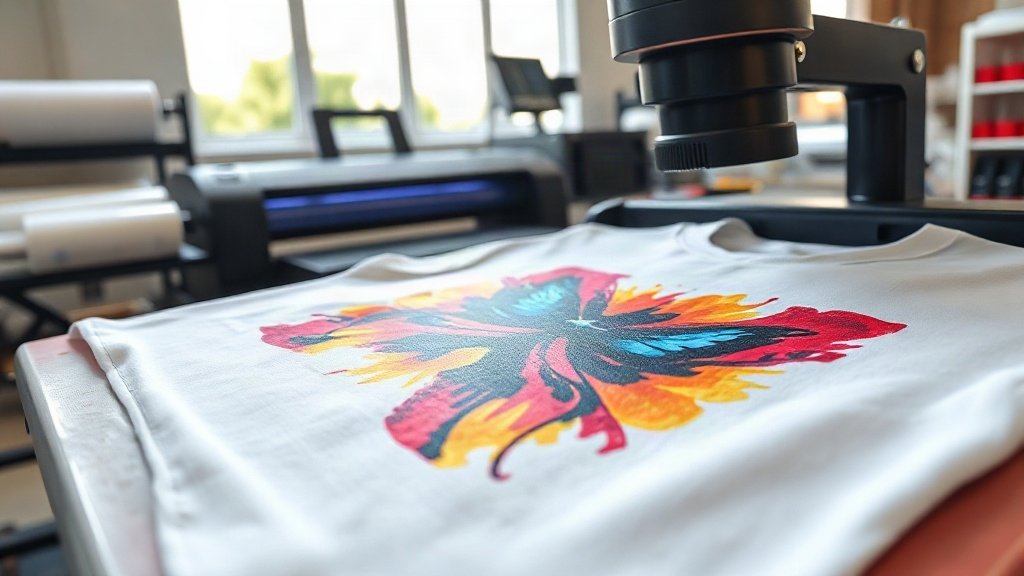
When you first dive into print on demand, the options for decorating apparel can feel overwhelming. Screen printing, heat transfer vinyl, DTG, sublimation—each has its place. But there's one method that has been gaining serious traction among POD sellers for its versatility and low barrier to entry: DTF printing. If you've been curious about how to add vibrant, durable designs to everything from cotton tees to polyester hoodies without investing in expensive equipment, DTF might be exactly what you need.
What Is DTF Printing?
DTF stands for Direct to Film. It's a printing technology where your design is printed onto a special PET film using water-based pigments, then coated with a hot-melt adhesive powder. After curing, the transfer is ready to be heat-pressed onto fabric. Unlike DTG, which requires pre-treatment and works best on cotton, DTF adheres to a wide range of materials, including cotton, polyester, nylon, and blends. That flexibility makes it a favorite for print on demand sellers who want to offer diverse products without juggling multiple decoration methods.
Why DTF Is a Game-Changer for Print on Demand
Print on demand is all about efficiency: you list a product, and when an order comes in, your supplier prints and ships it. DTF fits seamlessly into this model because it eliminates many of the constraints of other methods. Here's why it stands out:
- No color limitations: Unlike screen printing, which charges per color, DTF can reproduce full-color, photographic designs at no extra cost.
- Fabric versatility: You can apply the same transfer to a 100% cotton t-shirt and a 50/50 hoodie without changing your process.
- Durability: When applied correctly, DTF prints resist cracking, peeling, and fading even after multiple washes.
- Low minimums: You can order one-off transfers, making it perfect for testing new designs.
For POD entrepreneurs, these benefits translate to lower risk and broader product offerings.
How DTF Printing Works: Step by Step
Understanding the process helps you communicate with suppliers and troubleshoot issues. Here's what happens from digital file to finished garment:
- Design preparation: Your artwork is loaded into specialized RIP software. Colors are managed, and the design is mirrored so it reads correctly when pressed.
- Printing: A DTF printer lays down a layer of white ink (for opacity) followed by CMYK colors onto a PET film. The white layer is crucial for vibrant colors on dark fabrics.
- Powdering: While the ink is still wet, a hot-melt adhesive powder is sprinkled over the print. Excess powder is shaken off.
- Curing: The film passes through a curing oven or under a heat press to melt the powder, creating a dry, flexible adhesive layer.
- Transfer: The cured film is placed on the garment and heat-pressed at around 160°C (320°F) for 15-20 seconds. After cooling, the film is peeled away, leaving the design bonded to the fabric.
The entire process can be done in-house or outsourced to a DTF transfer supplier. For POD sellers, partnering with a supplier that offers DTF transfers is often the most practical route.
DTF vs. Other Print on Demand Methods
How does DTF stack up against the competition? Let's break it down.
DTF vs. DTG
Direct to Garment (DTG) prints directly onto the fabric. It excels on 100% cotton but struggles with polyester and dark colors unless pre-treated. DTF handles both light and dark fabrics with equal ease and doesn't require pre-treatment. However, DTG can produce a softer hand feel on light garments, while DTF transfers have a slight thickness due to the adhesive layer.
DTF vs. Sublimation
Sublimation requires polyester-coated surfaces and light-colored fabrics. The ink becomes part of the fabric, resulting in no texture. DTF works on cotton and blends, and produces a more opaque, vibrant print on dark colors. For POD sellers offering a mix of products, DTF is more versatile.
DTF vs. Vinyl
Heat transfer vinyl (HTV) is great for simple, single-color designs but is labor-intensive for multi-color graphics. DTF can handle complex, full-color images in one press, saving time and reducing errors.
Cost Considerations for DTF Printing
Budgeting is critical in POD. DTF printing costs depend on whether you produce transfers yourself or buy from a supplier.
- DIY setup: A decent DTF printer can cost $1,500 to $3,000. Add a curing oven ($300-$800), heat press ($200-$500), and supplies (film, powder, ink) at roughly $1-$2 per A4 transfer. The learning curve is moderate.
- Outsourced transfers: Suppliers charge $2-$5 per A4 sheet, often with discounts for bulk. You'll still need a heat press ($200-$500) to apply them.
For most POD sellers, outsourcing transfers is more cost-effective until volume justifies in-house production. Factor in shipping time and reliability when choosing a supplier.
Choosing a DTF Supplier for Your POD Business
Your supplier directly impacts product quality and customer satisfaction. Here's what to look for:
- Print quality: Request samples to check color vibrancy, detail, and adhesion.
- Turnaround time: Fast production and shipping are essential for meeting POD order deadlines.
- Material compatibility: Confirm they use quality films and powders that work with your target fabrics.
- Customer service: Responsive support helps resolve issues quickly.
- Pricing: Compare per-transfer costs and bulk discounts.
Many POD platforms integrate with specific DTF suppliers, so check compatibility before committing.
Common DTF Mistakes and How to Avoid Them
Even seasoned sellers run into issues. Here are pitfalls to watch for:
- Insufficient pressure: Leads to poor adhesion. Use a heat press, not an iron, and apply firm pressure.
- Wrong temperature: Too low and the adhesive won't activate; too high and the film may scorch. Stick to 160°C (320°F).
- Peeling too soon: Wait until the transfer is completely cool before peeling. Hot peel can distort the design.
- Stretching the garment: Avoid stretching the fabric during pressing, as this can cause cracks later.
- Poor storage: Store unused transfers in a cool, dry place away from direct sunlight.
Following the manufacturer's instructions and practicing on scrap fabric will help you master the technique.
Design Tips for Stunning DTF Prints
Not all designs translate well to DTF. Keep these guidelines in mind:
- Use high-resolution images: 300 DPI at the final print size ensures crisp details.
- Add a white underbase: For dark garments, a white layer behind colors prevents dullness.
- Avoid fine lines and gradients: Very thin lines may break, and subtle gradients can band. Simplify where possible.
- Consider the fabric: Textured fabrics like ribbed knits may require extra pressure for even adhesion.
Testing your designs on different fabrics will reveal what works best.
Frequently Asked Questions About DTF Printing
How long do DTF prints last?
With proper application and care, DTF prints can last 50+ washes without significant fading or cracking. Wash garments inside out in cold water and avoid bleach.
Can I use DTF on dark polyester?
Yes, DTF works well on dark polyester. The white underbase ensures colors pop, and the adhesive bonds effectively to polyester fibers.
Do I need a special printer for DTF?
You need a printer designed for DTF printing, as it requires white ink and specific RIP software. Converting a regular inkjet printer is not recommended.
Is DTF printing profitable for print on demand?
Absolutely. With transfers costing $2-$5 and garments $5-$15, you can price products competitively while maintaining healthy margins. The key is efficient order fulfillment.
What's the difference between DTF and DTG?
DTF uses a transfer film, while DTG prints directly onto the garment. DTF is more versatile across fabrics and colors, while DTG offers a softer feel on cotton.
Final Thoughts
DTF printing is revolutionizing print on demand by removing barriers to high-quality, full-color apparel decoration. Whether you're a solo entrepreneur or scaling a brand, understanding the process, costs, and best practices empowers you to make informed decisions. Start by ordering samples, test your designs, and watch your POD business thrive with this versatile technology.