
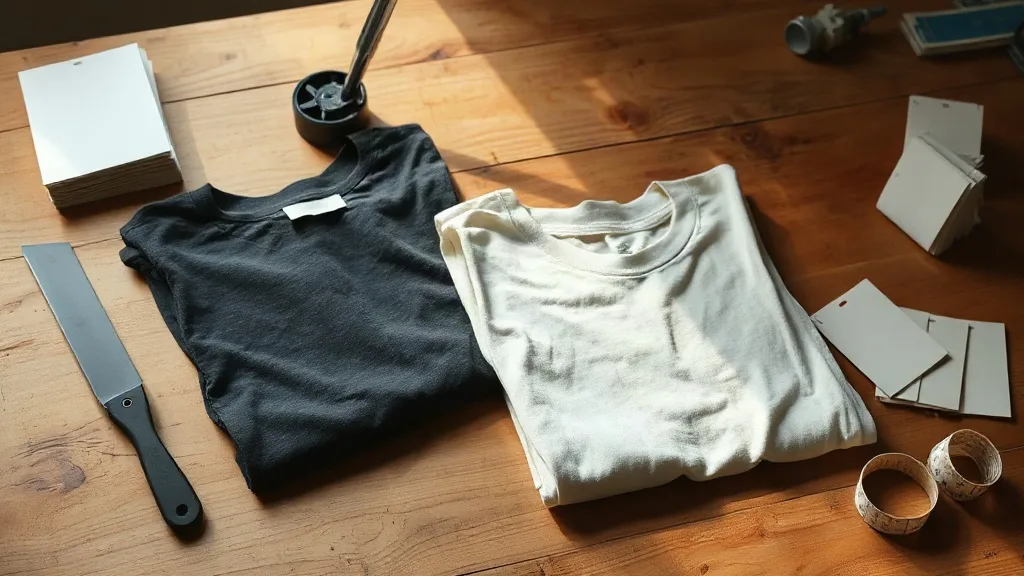
Walk into any print shop that handles streetwear jobs and you will eventually hear the same two names come up when someone asks for something heavier than a standard wholesale tee. shaka wear and smart blanks both built their reputations on blanks that feel substantial in the hand, take ink and heat transfers well, and hold their shape past the first few washes. The confusion starts when a customer wants "a good heavyweight tee" and gets handed two very different garments that happen to sit in the same weight class. This guide is for the printer, the small brand founder, and the merch coordinator who needs to make a real decision, not just pick whichever name they heard first.
What Each Brand Actually Is
Both labels occupy the blanks market, but they arrived there from different directions. Shaka Wear grew out of a Southern California streetwear sensibility, and its catalog reflects that: relaxed silhouettes, dropped shoulders on several cuts, and a color range that leans into earthy and muted tones alongside the usual black and white. The brand is closely associated with heavyweight cotton tees that feel broken in almost immediately.
Smart blanks positions itself around consistency and value for decoration. The line is built with screen printers and embroiderers in mind, which shows up in things like tighter tolerances on sizing, predictable shrinkage, and fabric that accepts plastisol without excessive dot gain. If Shaka Wear feels like a fashion label that also sells blanks, Smart Blanks feels like a blanks company that understands fashion buyers exist.
Fabric and Weight in Plain Terms
Most of the Shaka Wear lineup that people ask for sits in the 5.5 to 7 ounce range, with the heavier options running dense and slightly stiff out of the bag before softening after a wash. The cotton tends to have a dry, matte finish rather than the slick hand you get from ring-spun blends. That texture is exactly why some streetwear brands prefer it: prints sit on the surface with a bit of tooth instead of sliding around.
Smart Blanks tends to emphasize combed and ring-spun cotton in its core tees, which produces a smoother face and a more uniform surface. For detailed halftone work or fine line screen printing, that smoother face reduces the chance of ink sitting unevenly over slubs. Neither approach is better in the abstract. The question is what you are printing and how you want the finished piece to feel.
How They Behave Under a Screen and a Heat Press
This is where the decision usually gets made, and it rarely gets discussed honestly in product listings. Heavier, drier cotton like the Shaka Wear body absorbs plastisol differently than a smoother ring-spun surface. In practice, that means you may need to adjust your squeegee pressure or add a pass to get full opacity on dark garments. Printers who work with these tees regularly build that into their setup time.
Smart Blanks bodies tend to be forgiving for beginners. The smoother face lays flat on the platen, holds registration well, and takes heat transfer vinyl without the vinyl edge lifting after a few washes. If you are running a small operation without a conveyor dryer and you are pressing shirts one at a time, that predictability saves real hours.
- For water-based and discharge printing, the drier Shaka Wear surface can produce a softer, more vintage result, but test on scrap first.
- For fine detail and halftones, the smoother Smart Blanks face usually needs fewer corrections.
- For puff and high-density ink, heavier cotton bodies support the ink film better without ghosting.
- For embroidery, both work, but check hoop marks on lighter colors since heavier cotton can hold a crease longer.
Fit, Sizing, and the Shrinkage Question
Shaka Wear cuts run relaxed. If your customer expects a modern slim fit, size down or choose a different cut entirely. The brand's boxier silhouettes are part of the appeal for streetwear drops, but they are a mismatch for corporate uniforms or anything that needs a tailored look. Sizing across the run is generally consistent, though the heavier fabrics can measure slightly wider after washing if you tumble dry hot.
Smart Blanks sizing tends to track closer to standard retail expectations, which reduces return rates for online sellers. Shrinkage is modest when you follow the care label, but any cotton tee will move a little. Wash a sample from each lot before you commit to a full run, especially if you are printing size-sensitive designs like all-over patterns or placement prints that must align with seams.
Matching the Blank to the Project
Here is the practical split I have seen work well in real shops. Reach for Shaka Wear when the garment is meant to feel like a piece of clothing first and a printed product second. Vintage washes, muted earth tones, oversized fits, and drops aimed at customers who already own too many plain tees all fit that description. The heavier hand and relaxed cut carry the design rather than the other way around.
Reach for smart blanks when consistency across a large order matters more than a distinctive hand feel. Team merch, event shirts, uniform programs, and first product runs for a new brand all benefit from predictable sizing and easy decoration. The smoother surface also makes it simpler to hand off to a contract printer without a long conversation about press settings.
Many shops keep both on the shelf for exactly this reason. A single brand might use Shaka Wear for its flagship heavyweight tee and Smart Blanks for the hoodie-and-tee bundle that ships to wholesale accounts. There is no rule that says you have to pick a side.
Cost, MOQ, and What the Price Actually Buys
Per-unit pricing between the two lines is closer than most people expect at comparable weights. The real cost difference shows up in waste. A blank that prints cleanly on the first pass costs less than a cheaper shirt that eats two misprints. Factor in your own labor rate when you compare quotes, and the gap often narrows or flips entirely.
Minimum order quantities vary by distributor rather than by brand, so check with your supplier before you build a budget around a specific number. If you are testing a design, order a handful of each and run them through the same press setup. The shirt that wins on your equipment is the one worth scaling.
Care Instructions That Actually Extend Life
Heavyweight cotton is durable, but print longevity depends on how the garment is washed. Turn printed tees inside out, use cold water, and skip the dryer when you can. Heat is what cracks plastisol and dulls discharge prints over time. For the heavier Shaka Wear bodies, a low tumble dry is usually fine, but line drying preserves both the print and the shape of the shoulder seams.
Store folded rather than hung if the tee is heavy. A dense cotton body on a wire hanger will stretch the neckline within a season, and that is a return you cannot recover from. Small habits like these matter more than any single feature on a spec sheet.
Frequently Asked Questions
Is Shaka Wear true to size or should I size down?
Most Shaka Wear cuts run relaxed, so customers who want a standard fit usually size down one. If you are selling an oversized look, order true to size and describe the fit clearly in your product listing so buyers know what to expect.
Which blank is better for heat transfer vinyl?
Smart Blanks generally gives more predictable results with HTV because the smoother surface helps the vinyl adhere evenly and resist edge lifting. That said, a properly pressed Shaka Wear tee holds vinyl well too, so pre-press a sample from your actual lot before committing.
Do these tees shrink after washing?
Both are cotton and both will move slightly, typically under half an inch in length when washed cold and dried low. Hot water and high heat drying can push shrinkage further, so always wash a sample from each batch before printing a full run.
Can I use these blanks for embroidery?
Yes, both work for embroidery. Heavier cotton supports denser stitch counts well, but it can hold hoop marks longer, so steam the garment after unhooping. Use a cutaway backing on stretchy or lighter-weight options to prevent puckering.
Where can I buy small quantities to test?
Many distributors sell single units or small packs, which is the smartest way to start. Order two or three of each candidate, print the same design on all of them, and wash them before you decide which line deserves your full order.