
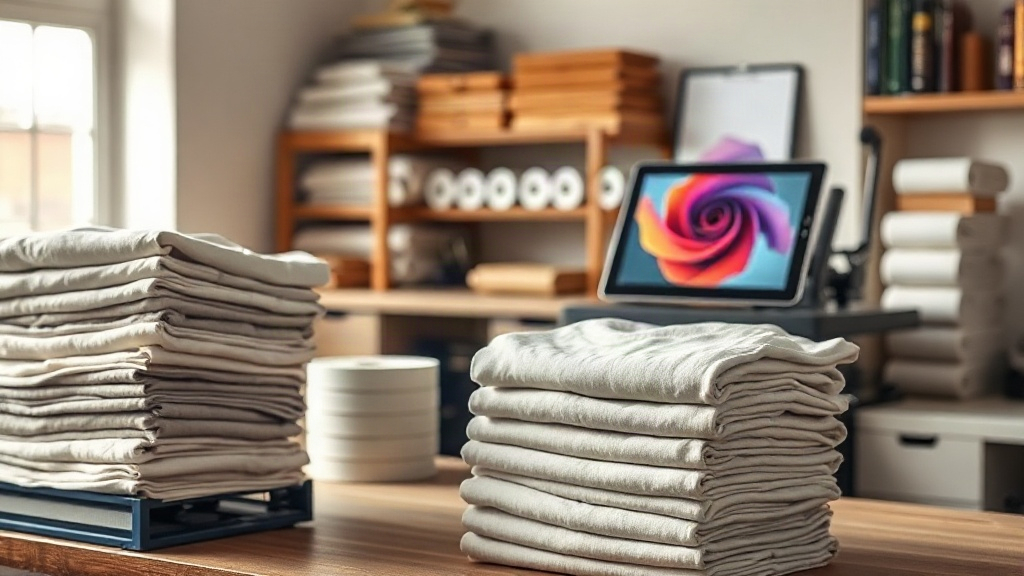
When you first step into the world of custom apparel, the choices can feel overwhelming. Fabric weight, cut, colorfastness, print method, and brand reputation all collide into a single decision that determines whether your finished product feels premium or forgettable. The printers who consistently deliver great results share one habit: they treat the blank garment as seriously as the design itself. That is where smart blanks enter the conversation, and understanding them changes how you approach every order.
What Makes a Blank Garment Smart?
A blank is not just an empty canvas waiting for ink. The term smart blanks refers to garments selected with intention: fabrics that hold prints well, cuts that flatter a wide range of body types, and construction that survives repeated washing without losing shape. In practice, a smart blank is the result of matching the garment to the decoration method, the end customer, and the price point.
Consider a simple scenario. A musician wants 50 tour shirts that feel soft, fit well, and photograph nicely for social media. If you grab the cheapest available tee, the print may crack after three washes and the neckline will warp. Choose a better blank, and the same design suddenly looks like merchandise worth forty dollars instead of fifteen. The garment did most of the work.
Fabric Weight and Hand Feel
Fabric weight is measured in ounces per square yard, usually shortened to oz. Lightweight options around 4.0 to 4.5 oz feel airy and work well for summer events or layered fashion pieces. Midweight fabrics in the 5.0 to 6.0 oz range are the workhorses of the industry because they balance durability with comfort. Heavyweight blanks at 6.5 oz and above appeal to streetwear brands that want a structured, boxy silhouette.
Hand feel matters just as much as the number on the spec sheet. Two shirts can both claim 5.5 oz and feel completely different depending on the cotton quality, the knitting method, and whether the fabric has been ring spun or open end spun. Ring spun cotton produces a smoother, softer surface that takes fine detail in prints more cleanly.
Why Construction Details Decide Longevity
Look at the seams before you commit to a bulk order. Double-needle stitching along the hems and shoulders prevents blowouts. Shoulder-to-shoulder taping keeps the neckline from stretching. Side-seamed construction, as opposed to tubular construction, gives the shirt a more tailored fit and reduces twisting after washing. These are the quiet features that separate a garment that lasts years from one that ends up as a rag within months.
Shaka Wear and the Streetwear Standard
Among the brands that have earned a loyal following, Shaka Wear stands out for its heavyweight cotton tees and consistent sizing. Born from West Coast streetwear culture, the brand built its reputation on garments that feel substantial in hand and maintain a structured drape that photographs beautifully.
For print shops, Shaka Wear offers a reliable option when customers request that classic urban look. The fabric density handles bold graphics without the ink bleeding into the weave, and the boxy cut aligns with what many younger buyers expect from premium streetwear. If your clientele leans toward skate culture, hip hop aesthetics, or simply wants a shirt that does not cling, this brand deserves a spot in your sample rack.
Matching Shaka Wear with the Right Print Method
Heavyweight cotton demands a decoration method that can keep up. Screen printing remains the gold standard for large runs on these garments because the ink sits on top of the fabric and delivers vivid, opaque color. For smaller batches or designs with photographic gradients, other methods may serve you better. The key is to test before you commit to hundreds of units.
One practical tip from working printers: always request a sample of the exact garment and color you plan to use. Dye lots vary, and a navy blank from one production run may differ slightly from the next. Printing a test piece catches these discrepancies before they become an expensive problem.
DTF Transfers: Flexibility for Modern Print Shops
Direct-to-film printing, commonly known as DTF transfers, has reshaped how small and mid-sized shops handle custom orders. The process involves printing a design onto a special film, applying a powder adhesive, and then heat pressing the transfer onto the garment. The result is a durable, stretchable print that works on cotton, polyester, and blends alike.
The appeal is obvious. You can produce full-color designs with fine detail without investing in screen setups or color separations. A single transfer can carry photographic imagery, gradients, and tiny text that would be impractical to screen print. For print-on-demand businesses and shops that handle a high mix of low-quantity orders, DTF transfers remove a significant bottleneck.
Getting DTF Right on Smart Blanks
The quality of a DTF print depends heavily on the garment beneath it. Smooth, tightly woven fabrics yield the cleanest results because the adhesive bonds evenly across the surface. Rougher textures or heavy fabric softeners can interfere with adhesion, leading to premature peeling.
Temperature and pressure settings matter enormously. Most DTF films press between 300 and 320 degrees Fahrenheit for 10 to 15 seconds, but the exact numbers vary by film brand and garment. Always follow the manufacturer's recommendations and keep a log of what works for each blank you stock. That log becomes an invaluable reference when you scale up production.
- Pre-press the garment for a few seconds to remove moisture and wrinkles.
- Use consistent, firm pressure across the entire transfer area.
- Peel the film according to the film type, either hot or cold.
- Post-press with a cover sheet to improve wash durability.
Building a Blank Strategy That Works
Smart printers do not stock every blank on the market. They curate a small, dependable selection that covers their most common orders and then expand only when demand justifies it. A practical starter lineup might include a lightweight tee for summer events, a midweight ring spun tee for everyday wear, a heavyweight option from a brand like Shaka Wear for streetwear clients, and a performance blend for athletic applications.
Once your blanks are chosen, pair each one with the decoration methods it handles best. Screen printing for bulk orders, DTF transfers for detailed or small runs, embroidery for polos and caps, and vinyl for simple one-color names or numbers. This matrix approach keeps your workflow efficient and your customers satisfied.
Pricing With Confidence
Knowing your blank costs inside and out lets you price without guesswork. Factor in the garment, the print method, labor, packaging, and a margin that reflects your expertise. Customers who understand why a heavyweight Shaka Wear tee with a DTF print costs more than a thin promotional shirt will happily pay for the difference when they feel it in their hands.
Frequently Asked Questions
What does the term smart blanks actually mean in the printing industry?
It refers to blank garments chosen strategically for their fabric quality, construction, and compatibility with specific decoration methods. Rather than grabbing whatever is cheapest, a printer selects a blank that will make the finished product look and last better.
Are DTF transfers durable enough for everyday wear?
Yes, when applied correctly. A properly pressed DTF transfer withstands dozens of wash cycles without significant fading or cracking. Following the film manufacturer's temperature, pressure, and peel instructions is the single biggest factor in durability.
Why do many streetwear brands prefer Shaka Wear over other blanks?
The heavyweight cotton, boxy cut, and consistent sizing align with the aesthetic that streetwear customers expect. The fabric holds bold prints well and maintains its shape after repeated washing, which matters for merchandise that doubles as fashion.
Can I use DTF transfers on polyester garments?
Absolutely. One of the advantages of DTF printing is its versatility across fabric types. It adheres well to cotton, polyester, and blends, though you may need to adjust temperature and pressure settings for synthetic materials to avoid scorching.
How many blank styles should a small print shop stock?
Most small shops do well with three to five core styles covering different weights and fits. Expanding beyond that without proven demand ties up capital and complicates inventory management. Add new blanks only when customer requests justify the investment.