
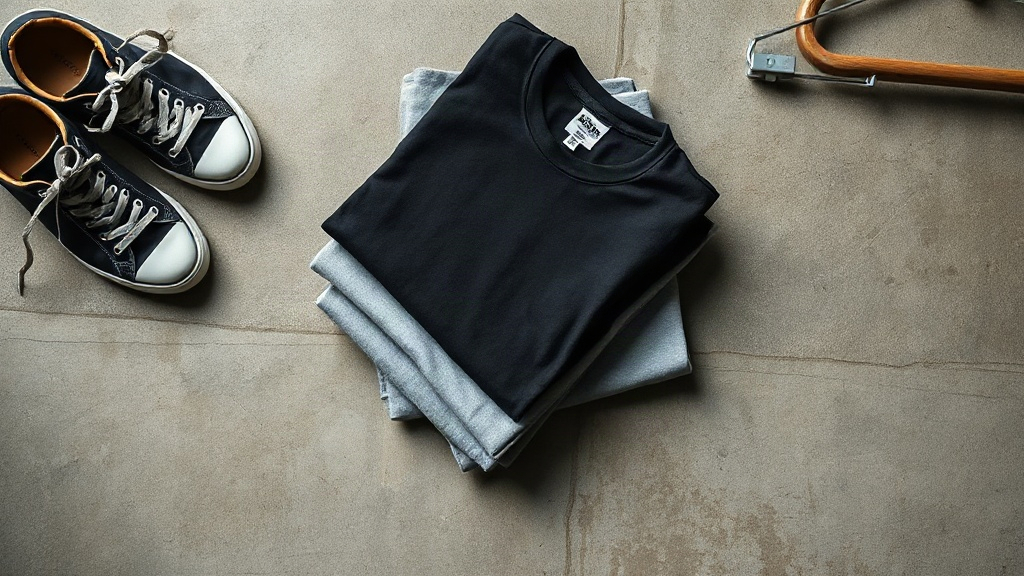
Walk through any skate park, barbershop, or community college campus in Southern California and you will spot it within minutes: a plain, boxy tee with a small woven tag at the hem. That shirt is usually Shaka Wear, a Los Angeles label that quietly became the uniform for people who care more about fabric weight than logos. If you have ever picked one up in a store, you already know the difference. The cotton feels dense, almost stiff at first, and it hangs off the shoulders instead of clinging to them. That heaviness is not an accident. It is the entire point of the brand.
This guide covers what Shaka Wear actually makes, how each fit runs compared to standard mall brands, and the small habits that keep heavyweight cotton looking new after dozens of washes. No hype, no fake scarcity, just the details you need before you spend money.
What Shaka Wear Actually Makes
The catalog is narrower than most streetwear brands, and that is deliberate. Shaka Wear focuses on blank essentials: t-shirts, hoodies, crewneck sweatshirts, tank tops, and a handful of accessories. Most pieces are cut from 100% cotton, with some styles using cotton-poly blends for durability in workwear or uniform settings.
What separates the line from a basic department store tee is the fabric weight. Many of their t-shirts land in the 6 to 7 ounce range, which is noticeably heavier than the 4 to 5 ounce cotton most fast-fashion brands use. A heavier knit drapes differently. It holds its shape through the shoulders, resists the see-through problem that plagues thin white tees, and breaks in gradually rather than wearing out fast.
Beyond the fabric, the construction details matter:
- Double-needle stitching along the hems and sleeves, which reduces seam splitting
- Shoulder-to-shoulder taping that keeps the neckline from warping
- Ribbed collars that stay snug instead of stretching into a wavy mess
- A boxy, slightly wider cut through the chest and body
These are small things individually. Together they explain why a Shaka Wear tee that costs a few dollars more than a generic one often outlasts it by a year or more.
How the Fits Actually Run
This is where most first-time buyers get surprised. Shaka Wear does not follow the slim, tapered silhouette that dominated menswear for the past decade. Their core t-shirts run boxy and slightly oversized, especially through the torso. If you normally wear a medium in a fitted brand, a medium here will feel roomy.
T-Shirts
The classic crew neck tee is the anchor of the line. It sits loose through the body with a straight hem that hits around the hip. Someone who wants a relaxed, streetwear-appropriate fit should order their normal size. Someone who wants a closer fit should size down one. Do not expect a tailored look from these shirts; that is not what they are built for.
Hoodies and Crewnecks
Heavyweight fleece hoodies run similarly generous. The shoulders are wide, the sleeves are long, and the body has room for layering. If you plan to wear a hoodie over a t-shirt, order true to size. If you want a snugger fit for wearing alone, sizing down is reasonable, though check the sleeve length first because it changes noticeably between sizes.
Tank Tops and Talls
Tank tops follow the same boxy logic, with wide armholes and a loose body. For taller shoppers, the brand offers extended sizes in several styles, which is useful because heavyweight cotton does not stretch to cover length the way lighter knits sometimes do.
Why Heavyweight Cotton Behaves Differently
A 6-ounce cotton tee and a 4-ounce cotton tee look identical on a hanger. On a body, they diverge fast. Heavier cotton has more structure, so it stands slightly away from the skin instead of molding to every contour. That structure is why the fabric photographs well and why it holds a shape after repeated washing.
There is a tradeoff. Thick cotton takes longer to dry, feels warmer in summer heat, and can be stiff for the first few wears. Most people find that the stiffness fades after two or three washes, and the shirt settles into a soft but still substantial feel. If you live somewhere with brutal humidity, a lighter blend might serve you better for daily wear, while heavyweight pieces work well for evenings and cooler months.
Heavyweight fabric also tends to shrink less dramatically over time because the knit is tighter and the yarns are denser. It is not shrink-proof, especially if you dry it on high heat, but it holds its dimensions better than thin jersey cotton.
How to Style Boxy Basics Without Looking Sloppy
A loose fit can read as intentional or as careless, and the difference usually comes down to proportion. A few adjustments make the boxy cut work in your favor.
- Balance the top and bottom. If the shirt is wide through the body, pair it with straighter or slightly tapered pants rather than another baggy layer. Two oversized pieces at once can swallow your frame.
- Use a partial tuck. A front tuck into jeans or chinos creates a waistline and keeps the loose fabric from hanging like a curtain.
- Layer with intention. An open flannel or denim jacket over a heavyweight tee adds structure while letting the fabric's weight show at the hem.
- Keep colors simple. Since the silhouette is the statement, neutral tones like black, white, heather grey, and sand do the most work.
For footwear, almost anything works. Low-top sneakers, work boots, and canvas shoes all sit comfortably next to this style because the clothes themselves are deliberately plain.
Caring for Heavyweight Cotton So It Lasts
You can double the life of a good tee with a few habits that cost nothing.
Wash inside out in cold water. Hot water accelerates shrinkage and fades dye, especially on black and navy pieces. Turn the shirt inside out before it goes in the machine so the outer surface takes less abrasion from the drum and from other garments.
Skip the dryer when you can. Hang drying preserves the fit and prevents the collar from curling. If you do use a dryer, choose low heat and pull the shirt out while it is still slightly damp, then reshape it flat.
Wash heavyweight knits less often than you think you need to. Cotton this dense does not hold odor the way thin synthetic blends do, and every wash cycle slowly breaks down the fibers. Spot clean small marks, air the shirt out overnight, and wear it again.
Store folded rather than hung. Hanging a heavy tee on a wire hanger stretches the shoulders over time and leaves bumps that are hard to press out.
Who Shaka Wear Is Really For
This brand fits a specific kind of buyer. If you want a plain, durable shirt that survives work, school, and repeated wear without looking tired, the heavyweight construction delivers real value. If you prefer slim, tailored silhouettes or lightweight summer fabrics, the boxy cut may not suit you, and that is fine. Knowing your preference saves you from buying the wrong thing.
It also works well for people who need blanks in quantity: print shops, small brands, teams, and anyone building a uniform. Because the fabric is substantial, screen prints and embroidery sit on the surface cleanly instead of bleeding through or distorting the shirt.
Frequently Asked Questions
Does Shaka Wear run true to size?
It runs generous. The brand cuts its t-shirts and fleece with a boxy, relaxed silhouette, so most people find their usual size feels roomy. If you want a closer fit, size down one. If you plan to layer over another shirt, stay with your normal size.
Is Shaka Wear good quality compared to other blank brands?
The fabric weight and stitching put it above typical fast-fashion basics. The cotton is denser, the collars hold their shape better, and the seams are reinforced. It is not a luxury garment, but for the price, the durability is genuinely competitive with other heavyweight blank labels.
How much does a Shaka Wear t-shirt shrink?
Expect minimal shrinkage if you wash cold and hang dry. Cotton this dense is knitted tightly, so it holds its dimensions well. Machine drying on high heat will cause noticeable shrinkage and should be avoided if fit matters to you.
Can you print or embroider on Shaka Wear blanks?
Yes, and the heavy cotton handles it well. Screen printing, heat transfer, and embroidery all work because the fabric does not pucker or stretch under the decoration. The thicker surface also means ink sits more cleanly than it does on thin jersey.
Where is Shaka Wear made?
The brand is based in Los Angeles and built its reputation on supplying blank apparel to local shops, printers, and retailers. Specific production locations can vary by style, so check the label on the individual garment if origin matters to you.
The Bottom Line on Buying Heavyweight Basics
A good plain tee is one of the hardest things to buy well, because there is nowhere to hide. No graphic, no logo, no trend to distract from the cut and the cloth. That is exactly why Shaka Wear has stuck around in a market that cycles through trends every season. The brand picked a lane, made the fabric heavier than most competitors, and kept the silhouettes consistent. If you want shirts that survive real wear and hold their shape, start with one piece, wash it the right way, and see how it feels after a month. The difference shows up in the fabric, not the label.