
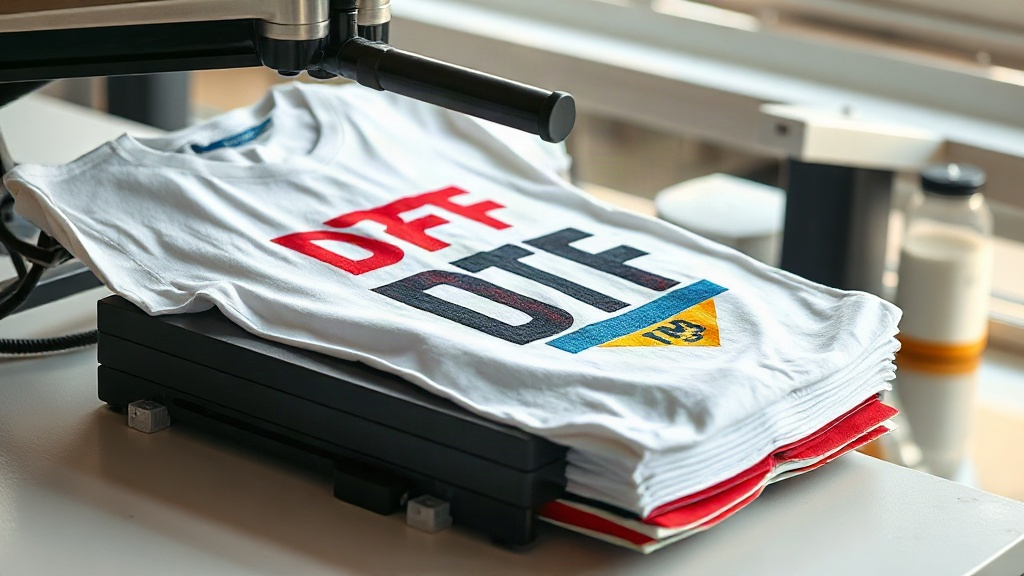
If you've been exploring custom apparel printing, you've likely encountered DTF transfers. This innovative technology is rapidly transforming how individuals and businesses create vibrant, durable designs on fabrics. Unlike traditional methods that require complex setups, DTF transfers offer a streamlined approach that delivers professional results even for beginners. In this guide, we'll dive deep into what DTF transfers are, how they work, and why they might be the perfect solution for your next project.
What Are DTF Transfers?
DTF stands for Direct to Film. It's a printing method where your design is printed onto a special PET film using pigment-based inks, then coated with a hot-melt adhesive powder. Once the powder is cured, the transfer is ready to be applied to fabric using a heat press. The result is a soft, stretchable, and highly durable print that bonds seamlessly to the material.
Unlike DTG (Direct to Garment) printing, which prints directly onto the fabric, DTF transfers allow you to print on a wide range of materials, including cotton, polyester, blends, and even nylon. This versatility makes DTF transfers a favorite among small business owners, crafters, and anyone looking to customize apparel without investing in expensive equipment.
How DTF Transfers Work: Step by Step
Understanding the process helps you appreciate the magic behind DTF transfers. Here's a breakdown of the key steps:
- Design Preparation: Create your artwork using graphic design software. Ensure it's mirrored (flipped horizontally) before printing, as the film will be pressed face-down onto the fabric.
- Printing: Your design is printed onto a PET film using a DTF printer. White ink is typically used as a base layer to ensure opacity on dark fabrics, followed by CMYK inks for color.
- Powdering: While the ink is still wet, a hot-melt adhesive powder is applied evenly over the print. Excess powder is shaken off.
- Curing: The film is then heated to melt the powder, creating a smooth, dry surface. This can be done in an oven or with a heat press.
- Transfer: The cured film is placed onto the fabric and pressed with a heat press at a specific temperature and pressure for a set time. After pressing, the film is peeled off (hot or cold peel, depending on the film type), leaving the design bonded to the fabric.
Each step requires attention to detail, but once mastered, the process is efficient and repeatable.
Why Choose DTF Transfers?
DTF transfers have gained immense popularity for several compelling reasons:
- Versatility: They work on almost any fabric, including cotton, polyester, blends, and even leather. This opens up endless possibilities for customizing t-shirts, hoodies, bags, and more.
- Durability: When applied correctly, DTF prints withstand repeated washing without fading, cracking, or peeling. The adhesive powder ensures a strong bond that flexes with the fabric.
- Vibrant Colors: DTF printers use high-quality pigment inks that produce bright, opaque colors, even on dark backgrounds. The white ink base makes designs pop.
- No Weeding or Masking: Unlike vinyl cutting, DTF transfers don't require weeding out tiny details. This saves time and reduces waste, especially for intricate designs.
- Cost-Effective for Small Runs: Without the need for screens or plates, DTF is ideal for short runs and one-off items. You can print a single transfer or hundreds with the same ease.
- Soft Hand Feel: Advances in adhesive powders and inks have made DTF prints incredibly soft to the touch, avoiding the plastic-like feel of some other methods.
DTF vs. Other Printing Methods
How does DTF stack up against other popular printing techniques? Let's compare:
DTF vs. DTG
DTG printing is great for 100% cotton and produces soft prints, but it requires pre-treatment and can be slow. DTF, on the other hand, works on more fabrics and doesn't need pre-treatment, making it more versatile. However, DTG might have a slight edge in breathability for large solid areas on cotton.
DTF vs. Vinyl
Heat transfer vinyl (HTV) is perfect for simple designs and personalization, but it involves weeding and layering, which is time-consuming for complex artwork. DTF handles full-color, detailed designs with ease and offers better durability on stretchy fabrics.
DTF vs. Screen Printing
Screen printing is cost-effective for large orders but requires setup and is impractical for small batches. DTF shines for small to medium runs, offers unlimited colors, and eliminates the need for screens. For startups and custom orders, DTF is often more practical.
Applications of DTF Transfers
DTF transfers are used in a variety of settings:
- Custom Apparel: T-shirts, hoodies, leggings, and jackets with vibrant logos or artwork.
- Promotional Products: Tote bags, hats, and uniforms for businesses and events.
- Personal Gifts: Personalized items for birthdays, weddings, and holidays.
- Sports Teams: Jerseys and fan gear with names and numbers.
- Fashion Brands: Small-batch clothing lines with unique designs.
The possibilities are nearly endless, limited only by your imagination.
Tips for Successful DTF Transfers
To get the best results with DTF transfers, keep these tips in mind:
- Choose Quality Materials: Use reputable DTF film and powder. Cheap supplies can lead to poor adhesion and dull colors.
- Master Your Heat Press: Follow the recommended temperature, pressure, and time for your specific film and fabric. A consistent heat press is crucial.
- Pre-Press Fabric: Remove moisture and wrinkles from the garment before transferring. This ensures a smooth application.
- Test Peel: Always do a peel test on a scrap piece to determine if hot or cold peel is needed for your film.
- Store Properly: Keep unused transfers in a cool, dry place to prevent premature curing.
- Wash Inside Out: Advise customers to wash garments inside out in cold water and avoid fabric softeners to prolong print life.
Common Challenges and Solutions
Even with a great process, issues can arise. Here are some common problems and how to fix them:
Print Cracking or Peeling
This often stems from insufficient pressure, incorrect temperature, or under-curing the powder. Ensure your heat press is calibrated and apply even pressure. Also, make sure the powder is fully melted during curing.
Dull Colors
If colors look washed out, check your printer settings and ink levels. Using a higher white ink layer can boost opacity. Also, ensure the film is compatible with your printer.
Adhesive Residue on Film
If powder sticks to areas without ink, you may be applying too much powder or not shaking off excess properly. Adjust your powdering technique.
Frequently Asked Questions About DTF Transfers
What fabrics can I use with DTF transfers?
DTF transfers adhere well to cotton, polyester, cotton-poly blends, nylon, and even leather. They are not recommended for fabrics with a heavy waterproof coating or those that cannot withstand heat.
How long do DTF transfers last?
With proper application and care, DTF prints can last as long as the garment itself. They resist cracking, fading, and peeling through many wash cycles.
Do I need a special printer for DTF transfers?
Yes, you need a DTF printer that uses pigment inks and is designed for printing on PET film. However, you can also buy pre-printed transfers from suppliers if you don't want to invest in a printer.
Can I apply DTF transfers with a home iron?
While possible, a heat press is highly recommended for consistent results. Home irons often lack even pressure and precise temperature control, leading to poor adhesion.
Are DTF transfers safe for children's clothing?
Yes, when applied correctly, DTF transfers are safe and non-toxic. However, always follow the manufacturer's safety guidelines and ensure the print is fully cured.
Conclusion
DTF transfers offer a versatile, durable, and cost-effective solution for custom apparel printing. Whether you're a small business owner, a crafting enthusiast, or someone looking to create personalized gifts, DTF technology empowers you to bring your designs to life on a wide range of fabrics. By understanding the process, choosing quality supplies, and following best practices, you can achieve professional-looking results that impress. So why not give DTF transfers a try? Your next custom creation awaits.