
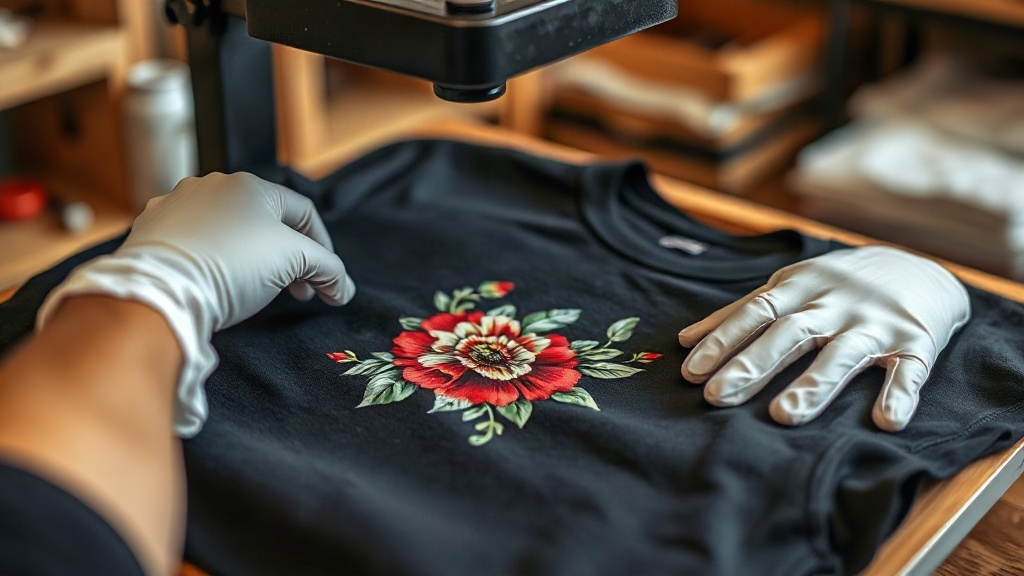
If you've been in the custom apparel game for any length of time, you've likely heard the buzz around DTF transfers. They've quickly become a favorite for creators who want vibrant, detailed prints without the hassle of weeding or the limitations of traditional vinyl. But what exactly are they, and why should you care? In this guide, we'll break down everything you need to know about DTF transfers, from how they work to how you can use them to elevate your projects.
What Are DTF Transfers?
DTF stands for Direct-to-Film. Unlike DTG (Direct-to-Garment) printing, which prints directly onto the fabric, DTF printing involves printing your design onto a special film, coating it with adhesive powder, and then transferring it onto the garment using a heat press. This two-step process allows for incredible detail and vibrant colors on a wide range of fabrics, including cotton, polyester, and blends.
The magic of DTF transfers lies in their versatility. Whether you're working with a 100% cotton t-shirt or a nylon jacket, DTF can handle it. Plus, the prints are stretchable and durable, making them perfect for activewear and items that need to withstand frequent washing.
How DTF Printing Works
The DTF process can be broken down into three main steps:
- Printing: Your design is printed onto a PET film using specialized DTF inks (usually CMYK plus white). The white ink acts as a base, allowing the colors to pop on dark fabrics.
- Powdering: While the ink is still wet, a hot-melt adhesive powder is applied to the film. The excess powder is shaken off, leaving a thin layer that will bond the print to the fabric.
- Curing: The film is then heated to melt the powder, creating a smooth, dry surface that's ready for transfer.
Once you have your transfer film, you can store it for later use or apply it immediately with a heat press.
Why Choose DTF Transfers Over Other Methods?
There are several reasons why DTF transfers have become a go-to for many professionals and hobbyists alike. Let's compare them to some other popular decoration methods.
DTF vs. DTG
DTG printing is great for cotton fabrics, but it struggles with polyester and dark colors. DTF, on the other hand, works on almost any fabric and produces vibrant prints on dark garments without the need for a white underbase. Plus, DTF doesn't require pre-treatment, saving you time and money.
DTF vs. Vinyl
Heat transfer vinyl (HTV) is a staple for many crafters, but it has its limitations. Weeding intricate designs can be time-consuming and frustrating. With DTF, there's no weeding required. You simply print, powder, cure, and press. This makes DTF ideal for complex, multi-color designs that would be impractical with vinyl.
DTF vs. Screen Printing
Screen printing is cost-effective for large orders, but it requires a separate screen for each color, making it expensive for small runs or detailed designs. DTF is a digital process, so there are no setup fees or color limitations. You can print one-off designs or small batches without breaking the bank.
How to Apply DTF Transfers: A Step-by-Step Guide
Applying DTF transfers is straightforward, but following the right steps ensures a long-lasting, professional result. Here's what you need to do:
What You'll Need
- Heat press (or a home iron, though a press is recommended)
- DTF transfer film with your design
- Garment (preferably pre-pressed to remove moisture)
- Parchment paper or a Teflon sheet
Step 1: Prepare Your Garment
Pre-press your garment for a few seconds to remove any wrinkles and moisture. This step is crucial because moisture can interfere with the adhesion of the transfer.
Step 2: Position the Transfer
Place the DTF transfer film onto the garment with the printed side facing up. If your design has a white base, you'll see the white ink. Position it exactly where you want it.
Step 3: Press
Set your heat press to the recommended temperature and time. Typically, this is around 325°F (160°C) for 15-20 seconds with medium pressure. Always check the instructions that come with your transfers, as they can vary.
Step 4: Peel
After pressing, allow the transfer to cool completely before peeling off the film. This is known as a cold peel. Peeling while hot can cause the design to distort or lift.
Step 5: Post-Press (Optional)
For added durability, you can cover the design with parchment paper and press again for another 5-10 seconds. This helps the adhesive fully bond with the fabric.
Tips for Perfect DTF Transfers
To get the best results with DTF transfers, keep these tips in mind:
- Use a heat press: While you can use an iron, a heat press provides consistent temperature and pressure, which is key for a professional finish.
- Test on scrap fabric: Before pressing your final garment, do a test run on a similar fabric to dial in your settings.
- Store transfers properly: Keep unused transfers in a cool, dry place, away from direct sunlight. They can last for months if stored correctly.
- Wash inside out: To prolong the life of your print, wash the garment inside out in cold water and avoid using fabric softener.
Common Mistakes to Avoid
Even seasoned pros can make mistakes. Here are a few common pitfalls and how to avoid them:
- Pressing at the wrong temperature: Too hot and you'll scorch the fabric; too cold and the transfer won't adhere. Always follow the recommended settings.
- Not using enough pressure: Insufficient pressure can cause the transfer to peel or crack. Make sure your press is adjusted properly.
- Peeling too soon: Patience is key. Let the transfer cool completely before peeling.
- Ignoring fabric type: While DTF works on many fabrics, some (like treated nylon) may require special handling. Always test first.
Frequently Asked Questions
How long do DTF transfers last?
With proper application and care, DTF transfers can last as long as the garment itself. They are durable and resistant to cracking and fading. Following the washing instructions will help maintain their vibrancy.
Can I use DTF transfers on dark colors?
Absolutely! DTF transfers are excellent for dark fabrics because the white ink base allows the colors to stand out. You don't need to worry about the design getting lost on a black t-shirt.
Do I need a special printer for DTF?
Yes, DTF printing requires a dedicated DTF printer that uses DTF inks and can handle the film. However, if you're not ready to invest in a printer, you can purchase pre-made DTF transfers from suppliers.
What fabrics work best with DTF?
DTF works well on cotton, polyester, blends, and even some synthetic fabrics like nylon. It's one of the most versatile decoration methods available.
Can I stretch DTF prints?
Yes, DTF prints have a slight stretchability, making them suitable for activewear. However, extreme stretching may cause cracking over time, so it's best to avoid overstretching the fabric.
Whether you're a small business owner or a DIY enthusiast, DTF transfers offer a fantastic way to bring your designs to life. With their ease of use, versatility, and professional results, it's no wonder they're taking the custom apparel world by storm. Give them a try and see the difference for yourself.