
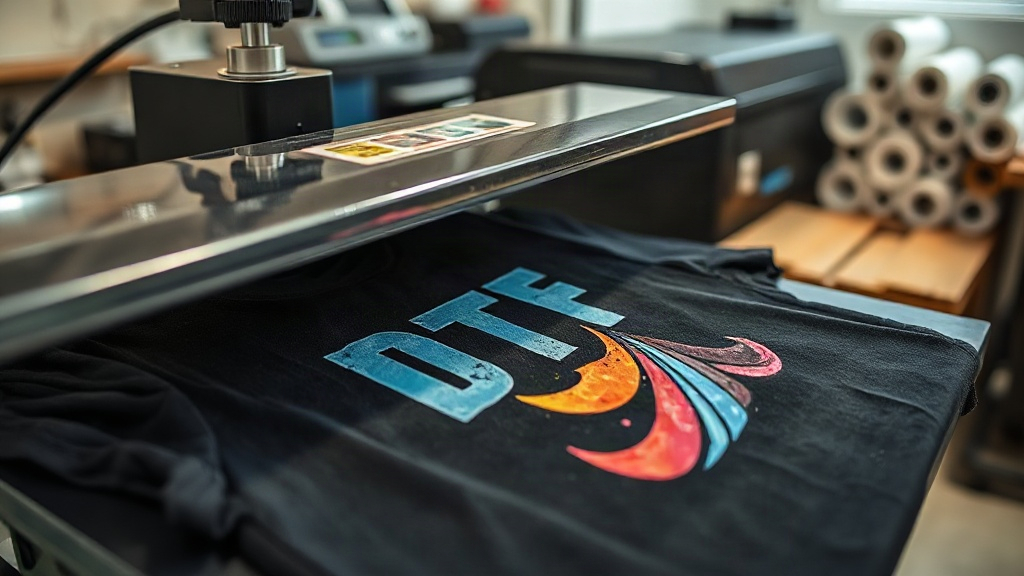
Imagine pressing a button and watching a full-color design transfer onto a cotton t-shirt, a nylon jacket, or even a canvas tote, all with the same vivid detail and stretch. That is the promise of DTF transfers, a technology that has quickly become a favorite among custom apparel creators. Unlike traditional methods that limit you to certain fabrics or require multiple steps, DTF transfers simplify the process while delivering professional-grade results. Whether you're a small business owner, a hobbyist, or a large-scale producer, understanding DTF transfers can unlock new possibilities for your projects.
What Are DTF Transfers?
DTF stands for Direct to Film. It's a printing method where your design is printed onto a special film, coated with a adhesive powder, and then heat-pressed onto the fabric. The magic lies in the film: it holds the ink and adhesive, allowing the design to bond permanently with the material. This process works on a wide range of fabrics, including cotton, polyester, blends, and even leather, without the need for pre-treatment. The result is a soft, stretchable print that feels like part of the garment.
How DTF Transfers Work: Step by Step
Understanding the workflow helps you appreciate the technology and troubleshoot issues. Here's a breakdown of the key stages:
- Design Preparation: Your artwork is prepared in a graphics program. It's mirrored (flipped horizontally) because the film is pressed face-down onto the fabric. Colors are usually printed in CMYK plus white, which acts as a base for opacity on dark garments.
- Printing: A DTF printer lays down the white ink first, followed by the color layers. The printer uses specialized DTF inks that are flexible and durable.
- Powdering: While the ink is still wet, a thermoplastic powder is applied evenly over the print. Excess powder is shaken off, leaving a thin layer that will become the adhesive.
- Curing: The film passes through a curing oven or under a heat source to melt the powder and set the inks. This step is crucial for washability.
- Transfer: The cured film is placed on the fabric and heat-pressed at a specific temperature and pressure for a set time. After pressing, the film is peeled off (hot or cold peel, depending on the film type), leaving the design behind.
Why Choose DTF Transfers Over Other Methods?
DTF transfers offer several advantages that make them stand out:
- Fabric Versatility: Unlike vinyl or screen printing, DTF works on almost any fabric, including those with high polyester content, which are notorious for dye migration issues.
- No Weeding or Cutting: You skip the tedious process of weeding vinyl. The printer handles all the details, so complex designs with fine lines and gradients are easy.
- Vibrant Colors: DTF prints can achieve photo-realistic images with smooth gradients and bright colors, even on dark backgrounds, thanks to the white ink base.
- Durability: When applied correctly, DTF transfers withstand repeated washing without cracking, peeling, or fading. They stretch with the fabric, making them ideal for athletic wear.
- Cost-Effective for Short Runs: Unlike screen printing, which requires setup for each color, DTF is economical for small batches and one-offs. You can print a single transfer or hundreds with the same setup.
Applications of DTF Transfers
From custom t-shirts to corporate uniforms, DTF transfers are used in a variety of settings. Here are some popular applications:
- Apparel: T-shirts, hoodies, jeans, jackets, and activewear. The stretchability makes them perfect for leggings and sports jerseys.
- Accessories: Tote bags, hats, and even shoes. The ability to print on curved surfaces with a heat press makes it feasible.
- Home Decor: Pillows, curtains, and canvas prints. DTF can add custom designs to fabric items around the home.
- Promotional Products: Company logos on uniforms, event merchandise, and giveaways. Fast turnaround and low minimums are a boon for businesses.
Tips for Perfect DTF Transfers
Getting flawless results requires attention to detail. Here are some expert tips:
- Choose the Right Film: Not all DTF films are created equal. Some are designed for hot peel, others for cold peel. Match the film to your workflow and fabric type.
- Control Moisture: Fabric should be dry before pressing. Moisture can cause the transfer to peel or bubble. Pre-press the garment for a few seconds to remove moisture.
- Optimize Press Settings: Temperature, pressure, and time vary by film and fabric. Typically, 300-325°F for 10-15 seconds with medium pressure. Always test with a scrap piece.
- Use a Heat Press, Not an Iron: An iron doesn't provide even pressure or consistent temperature. A heat press ensures uniform bonding.
- Store Transfers Properly: Keep unused transfers in a cool, dry place away from direct sunlight. Humidity can affect the adhesive powder.
- Wash Inside Out: To prolong the life of the print, wash garments inside out in cold water and tumble dry low. Avoid bleach and fabric softeners.
Common Mistakes to Avoid
Even seasoned pros can slip up. Watch out for these pitfalls:
- Insufficient Pressure: If the press doesn't apply enough pressure, the adhesive won't fully activate, leading to early peeling.
- Overcooking: Too much heat can scorch the fabric or cause the ink to become brittle. Follow the film manufacturer's recommendations.
- Peeling Too Soon or Too Late: Hot peel films must be peeled immediately after pressing, while cold peel films need to cool completely. Timing is critical.
- Ignoring Fabric Type: Some fabrics, like those with heavy coatings or waterproof finishes, may require special handling or may not be suitable at all.
Frequently Asked Questions About DTF Transfers
How long do DTF transfers last?
With proper application and care, DTF transfers can last as long as the garment itself. They are highly durable and resistant to cracking and fading. Following wash instructions (inside out, cold water, low dryer heat) will maximize longevity.
Can I use DTF transfers on 100% polyester?
Absolutely. DTF transfers are excellent for polyester because the low-temperature application reduces the risk of dye migration, a common problem with other methods. The print remains vibrant and stretchy.
Do I need a special printer for DTF?
Yes, you need a DTF printer that uses DTF inks and can handle the film. However, you can also buy pre-printed transfers from suppliers and apply them with a heat press. This is a great option if you want to offer DTF without investing in a printer.
What is the difference between DTF and DTG?
DTG (Direct to Garment) prints directly onto the fabric, while DTF prints onto a film first and then transfers. DTF works on more fabric types, including polyester, and often produces more vibrant colors on dark garments. DTG is typically limited to cotton and requires pre-treatment.
How do I store DTF transfers?
Store them flat in a cool, dry place, away from direct sunlight and moisture. If stacked, place a sheet of paper between them to prevent sticking. Proper storage ensures the adhesive powder remains effective.
DTF transfers are more than a trend; they're a versatile tool that empowers creators to bring their ideas to life on a wide range of products. By mastering the process and avoiding common mistakes, you can deliver high-quality custom items that impress customers and stand the test of time.