
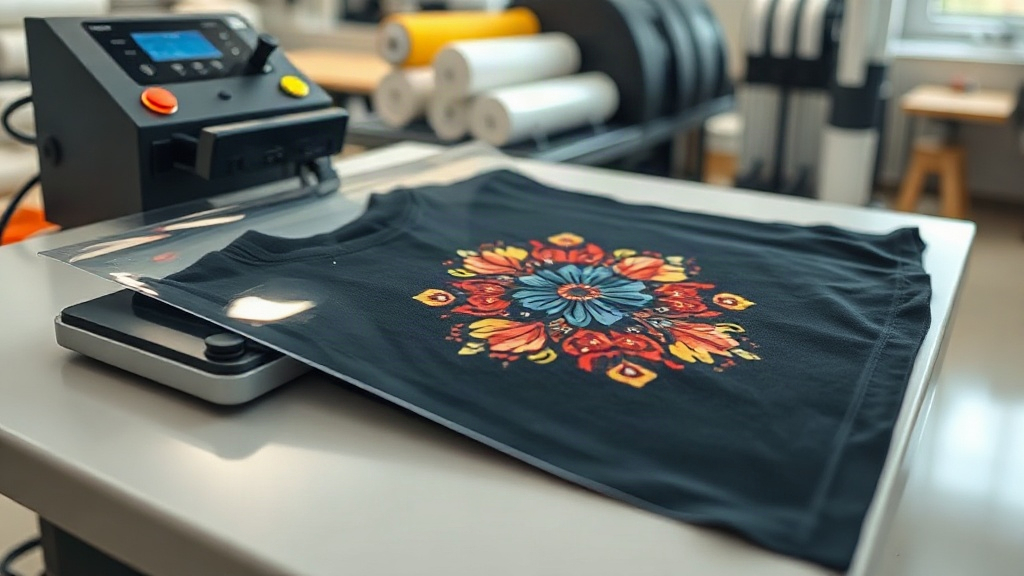
Imagine pressing a vibrant, full-color design onto a dark cotton t-shirt in minutes, without the hassle of weeding or color limitations. That's the promise of DTF transfers, a digital printing technology that's quickly becoming the go-to solution for custom apparel creators, from hobbyists to large-scale shops. Whether you're running a print-on-demand business or making team jerseys, understanding DTF transfers can elevate your game. In this guide, we'll walk you through everything you need to know: from the science behind the film to pro tips for flawless application.
What Are DTF Transfers?
DTF stands for Direct-to-Film. It's a printing method where your design is printed onto a special PET film using water-based pigments, then coated with a hot-melt adhesive powder. Once cured, the transfer is ready to be applied to fabrics using a heat press. Unlike DTG (Direct-to-Garment) or screen printing, DTF transfers work on a wide range of materials, including cotton, polyester, blends, and even leather. The process eliminates the need for pre-treatment or weeding, making it accessible for beginners and efficient for professionals.
How DTF Transfers Work: Step by Step
Understanding the workflow helps you troubleshoot and optimize. Here's the typical process:
- Design Preparation: Create your artwork in a graphics program, ensuring it's mirrored (unless your printer software does it automatically).
- Printing: A DTF printer lays down CMYK inks plus white ink as a base. The white ink is crucial for opacity on dark garments.
- Powder Application: While the ink is still wet, a hot-melt adhesive powder is sprinkled over the film. Excess powder is shaken off.
- Curing: The film goes through a curing oven or heat press to melt the powder, creating a dry, tacky surface.
- Transfer: The film is placed on the fabric and pressed with a heat press at specific temperature, time, and pressure.
- Peeling: After pressing, the film is peeled off (hot or cold peel, depending on the film type), leaving the design bonded to the fabric.
Each step requires attention to detail, but the learning curve is gentle compared to other methods.
Why Choose DTF Transfers Over Other Methods?
DTF transfers offer a unique blend of advantages that make them stand out:
- No Color Limitations: Print gradients, photographs, and fine details without worrying about color separation or screen counts.
- Fabric Versatility: Works on almost any fabric, including dark and light, natural and synthetic.
- Durability: When applied correctly, DTF prints withstand repeated washing without fading or cracking.
- Cost-Effective for Short Runs: No setup fees or minimums, ideal for small batches or personalized items.
- Soft Hand Feel: Modern DTF films and powders produce a flexible, lightweight print that doesn't feel rubbery.
Compared to vinyl, DTF handles complex designs effortlessly. Compared to DTG, it often provides better opacity on dark shirts without pre-treatment.
Essential Equipment for DTF Printing
To get started with DTF transfers, you'll need:
- DTF Printer: A dedicated printer with white ink channels, such as those from Epson or Ricoh modified for DTF.
- DTF Inks: Water-based pigment inks designed for DTF, including CMYK and white.
- PET Film: Special coated film that releases the print cleanly.
- Adhesive Powder: Hot-melt powder, typically TPU-based, available in fine or coarse grades.
- Curing Oven or Heat Press: For melting the powder.
- Heat Press: For applying the transfer to garments.
While the initial investment can be significant, the versatility and low cost per print make it worthwhile for many businesses.
Tips for Flawless DTF Transfers
Even with the right equipment, small mistakes can ruin a transfer. Here are expert tips to ensure success:
1. Master Your Heat Press Settings
Temperature, pressure, and time are critical. Typical settings are 320°F (160°C) for 15 seconds at medium pressure. However, always follow your film and powder manufacturer's recommendations. Too little heat and the design won't adhere; too much and it may scorch or become stiff.
2. Handle the Film Carefully
Avoid touching the printed area; oils from your skin can interfere with adhesion. Store film in a cool, dry place to prevent curling.
3. Choose the Right Powder
Fine powder works well for detailed designs, while coarse powder is better for bold blocks. Ensure even coverage and shake off excess thoroughly.
4. Test Your Peel Method
Some films require hot peel, others cold. Test a small sample to avoid ruining a garment. Cold peel generally gives a smoother finish.
5. Pre-Press Your Garment
This removes moisture and wrinkles, ensuring a smooth surface for the transfer.
Common Applications of DTF Transfers
DTF transfers are used across various industries and personal projects:
- Custom T-Shirts: Perfect for detailed logos, photos, and artistic designs.
- Sportswear: Names and numbers on jerseys, with stretchability.
- Denim and Jackets: Adds edge to jeans and jackets without the stiffness of vinyl.
- Promotional Items: Bags, caps, and more, with vibrant branding.
- Home Decor: Pillows, aprons, and tote bags.
The possibilities are nearly endless.
DTF vs. Other Printing Methods: A Quick Comparison
To help you decide, here's how DTF stacks up against DTG, screen printing, and vinyl:
- DTF vs. DTG: DTF works on more fabrics and often has better durability; DTG excels on 100% cotton with a softer feel but requires pre-treatment.
- DTF vs. Screen Printing: Screen printing is cost-effective for large runs but has setup costs and color limits; DTF is better for small batches and complex designs.
- DTF vs. Vinyl: Vinyl is great for simple shapes but limited in color and detail; DTF handles full-color images with ease.
Each method has its place, but DTF's flexibility makes it a strong contender for many projects.
Frequently Asked Questions About DTF Transfers
How long do DTF transfers last?
With proper application and care, DTF prints can last 50+ washes without significant fading or cracking. Always wash inside out in cold water and avoid bleach.
Can I use DTF transfers on 100% polyester?
Yes, DTF works well on polyester, but you may need to adjust heat press settings to avoid dye migration. Use a lower temperature and a cover sheet.
Do I need a special printer for DTF?
You need a printer with white ink capability, typically a modified Epson or Ricoh. Some companies offer DTF printer conversions.
What's the difference between hot and cold peel DTF film?
Hot peel film is removed immediately after pressing while still hot, resulting in a slightly textured finish. Cold peel film is allowed to cool completely before peeling, giving a smoother, more matte finish.
Can I layer DTF transfers?
Yes, you can layer multiple transfers for multi-color designs, but it's best to use a single transfer with all colors for best results. If layering, press each layer separately.
DTF transfers are a game-changer for anyone in the custom apparel space. With a bit of practice and the right setup, you can produce professional-grade prints that impress. So why not give it a try? Your next custom creation could be your best yet.