
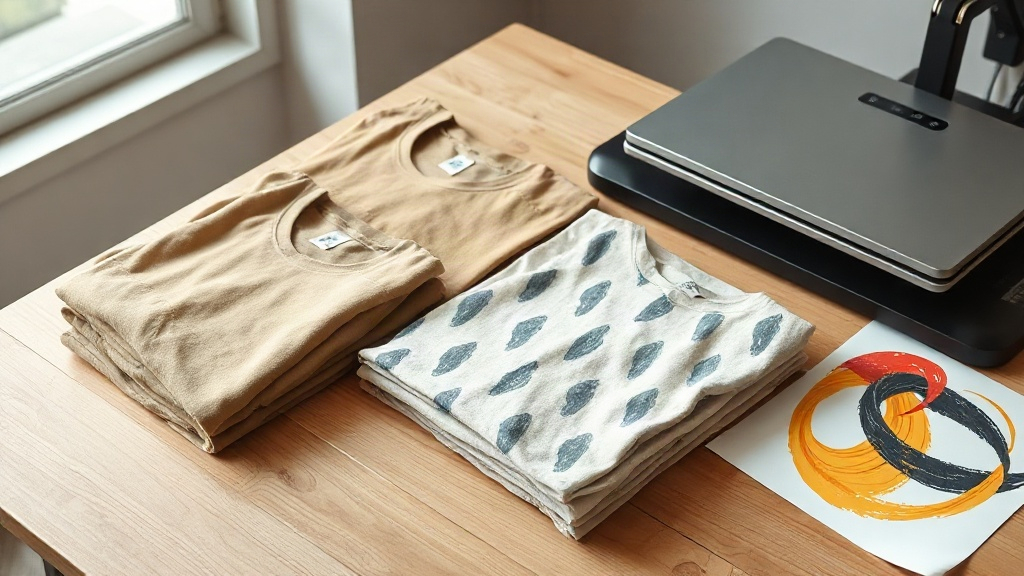
If you have ever peeled a DTF transfers sheet off a shirt only to watch the design crack a week later, the problem was probably not your press. It was the blank underneath. Choosing the right smart blanks is the quiet difference between a custom piece that survives fifty washes and one that ends up as a cleaning rag. In this guide, I will walk through what makes a blank smart, why brands like Shaka Wear have become a go-to for decorators, and how to match your transfer technique to the garment so your work actually lasts.
What Exactly Are Smart Blanks?
The term gets thrown around loosely, so let me be specific. Smart blanks are garments engineered with decoration in mind. That means consistent fabric weight, tight weave, low shrinkage, and a surface that accepts heat-applied graphics without fighting back. A standard retail tee is designed to look good on a hanger. A smart blank is designed to look good after a heat press, a wash cycle, and a customer wearing it to the gym three times a week.
When I first started decorating, I bought whatever was cheapest at the local wholesaler. The results were inconsistent. Some shirts pressed beautifully, others scorched or showed adhesive ghosting. The difference was not my technique. It was the fabric blend and the dye lot. Smart blanks remove that lottery from the equation.
Key Characteristics to Look For
- Fabric composition: 100% ring-spun cotton or a cotton-poly blend that holds up to heat without yellowing.
- Weight: 5.5 oz to 6.5 oz is a sweet spot for DTF because the fabric can absorb the adhesive without feeling stiff.
- Weave density: Tighter knits prevent the transfer from sinking into the fibers, which keeps edges crisp.
- Pre-shrunk treatment: Reduces the chance of the garment shrinking away from the design after the first wash.
- Consistent dyeing: Avoids the dreaded dye migration that ruins white or light-colored transfers.
Why Shaka Wear Stands Out for DTF Work
Shaka Wear has built a reputation among decorators for a reason. Their heavyweight tees and fleece hold shape well, and the fabric surface is smooth enough that DTF transfers bond evenly across the whole design. I have pressed hundreds of Shaka Wear pieces, from basic tees to hoodies, and the consistency is what keeps me coming back.
One thing that surprised me early on was how well Shaka Wear handles high-detail transfers. Fine lines, small text, gradients. The fabric does not swallow them. On cheaper blanks, a detailed logo can look muddy after pressing because the adhesive spreads into the weave. On Shaka Wear, the detail stays sharp.
Popular Shaka Wear Options for Decorators
- Shaka Wear MAX Heavyweight Tee: A 7 oz beast that feels premium and presses like a dream.
- Shaka Wear Crewneck Sweatshirt: Great for winter drops, holds DTF well on both chest and sleeve placements.
- Shaka Wear Hoodie: The fleece surface needs a slightly longer press, but the result is a soft, durable finish.
How Smart Blanks and DTF Transfers Work Together
DTF printing has changed the game for small shops. No cutting, no weeding, no color limitations. But the technology is only as good as the surface it lands on. Here is how to make the pairing work.
1. Match Transfer Size to Fabric Weight
A large, dense transfer on a lightweight blank will feel like a plastic patch. On a heavier smart blank, the same transfer sits flush and moves with the garment. If you are pressing a full-front design, go with a 6 oz or heavier blank. For left-chest logos, a 5.5 oz tee is fine.
2. Control Your Press Settings
Every fabric behaves differently. I keep a log for each blank I use. For most Shaka Wear tees, I press at 320°F for 15 seconds with medium pressure, peel warm, then do a second press for 5 seconds with a cover sheet. That second press is what really locks the transfer in. Skip it and you will see edges lift after a few washes.
3. Watch for Dye Migration
This is the silent killer of DTF work. Dark polyester blends can release dye during pressing, which bleeds into the transfer and turns white areas pink or gray. Smart blanks are usually treated to prevent this, but if you are working with an unknown blank, test a small piece first. A low-bleed transfer powder or a barrier sheet can save a whole run.
4. Wash Testing Is Not Optional
Before you sell a single piece, wash one. I run a test shirt through five cycles with regular detergent, no fabric softener, and air dry. If the transfer still looks good, you are ready to ship. If it cracks or peels, adjust your press time or pressure and try again. This step has saved me from more customer complaints than any other habit.
Common Mistakes When Using Smart Blanks with DTF
- Pressing on a wrinkled shirt: Wrinkles become permanent under heat. Pre-press the garment for 5 seconds to smooth it out.
- Using too much pressure: This flattens the fabric and can cause the transfer to spread. Medium pressure is almost always enough.
- Peeling too cold: Most DTF films are warm-peel or cold-peel. Check the manufacturer's instructions. Peeling at the wrong temperature can tear the design.
- Ignoring fabric softener residue: If the blank was washed with softener, the transfer will not bond. Always press on a clean, dry, unwashed garment.
Building a Product Line Around Smart Blanks
Once you find a blank that works, standardize it. Customers notice consistency. If every hoodie you sell fits the same and feels the same, you build trust. I stick with a core set of Shaka Wear styles for my main line and rotate in seasonal colors. That way, I know exactly how each one presses and how it wears.
Smart blanks also open up pricing tiers. You can offer a basic tee on a lighter blank and a premium tee on a heavyweight Shaka Wear blank. Same design, different feel, different price. Customers appreciate the choice, and your margins improve.
Frequently Asked Questions
Can I use DTF transfers on 100% polyester smart blanks?
Yes, but you need to be careful. Polyester is more prone to dye migration and can scorch at high temperatures. Lower your press to around 280°F to 300°F and use a cover sheet. Always test first, especially with white or light-colored transfers.
How long do DTF transfers last on Shaka Wear garments?
With proper pressing and care, a DTF transfer on a Shaka Wear tee can easily last 50 or more washes. The key is the second press and avoiding fabric softener. I have pieces from two years ago that still look new.
Do I need to pre-wash smart blanks before pressing?
No. In fact, you should press on unwashed garments. Pre-washing can introduce fabric softener residue or uneven shrinkage. Just make sure the blank is clean, dry, and wrinkle-free before you start.
What is the best temperature for DTF transfers on heavyweight blanks?
Most heavyweight cotton blanks, including Shaka Wear, press well at 320°F for 15 seconds. Adjust slightly based on your press and the transfer film manufacturer's recommendations. Always do a test press on a scrap piece first.
Why do my DTF transfers peel after washing?
Peeling usually comes from insufficient pressure, too short a press time, or pressing on a fabric with softener residue. Increase your pressure slightly, extend the press to 15 to 18 seconds, and always do that second 5-second press with a cover sheet.