
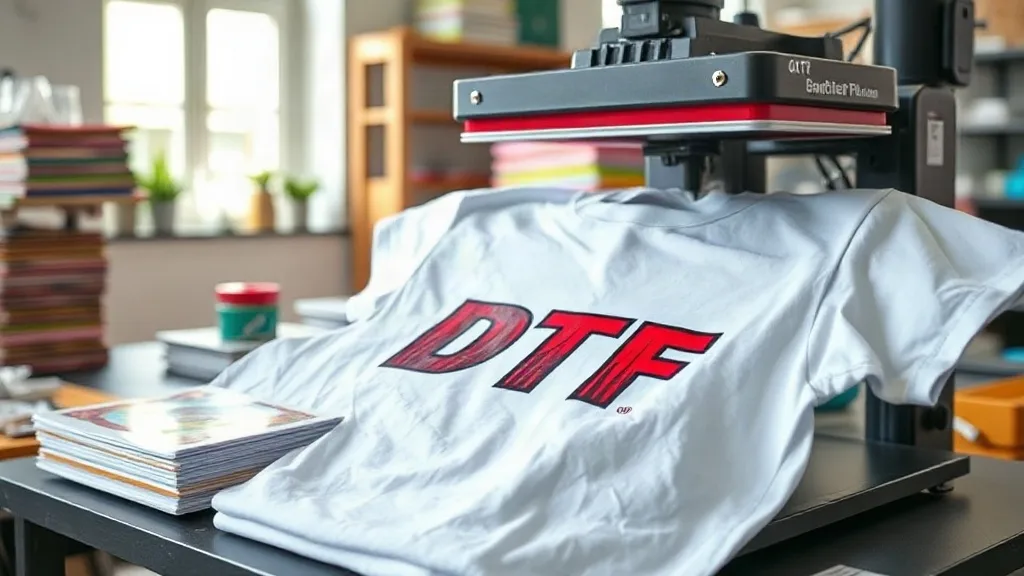
Custom apparel printing has evolved dramatically over the past decade, and one of the most exciting developments is dtf transfers. If you're new to the world of garment decoration, you might be wondering what DTF is and why it's generating so much buzz. In this guide, we'll break down everything you need to know about DTF transfers, from the basics of the process to practical tips for getting started.
What Are DTF Transfers?
DTF stands for Direct to Film. It's a printing method where your design is printed onto a special film, then coated with a heat-activated adhesive powder. Once the print is ready, you use a heat press to transfer it onto fabric. Unlike DTG (Direct to Garment) printing, which requires specialized equipment and is typically limited to cotton, DTF works on a wide range of materials, including polyester, blends, and even treated nylon.
The DTF Printing Process Step by Step
Understanding the process helps you appreciate the results. Here's how it works:
- Design Preparation: Your artwork is prepared digitally, ensuring colors are vibrant and details are sharp.
- Printing: A specialized printer lays down a layer of white ink (if needed) followed by CMYK colors onto a PET film.
- Powder Application: While the ink is still wet, a hot-melt adhesive powder is applied evenly over the design.
- Curing: The film passes through a curing unit to melt the powder, creating a flexible, durable adhesive layer.
- Transfer: The film is placed on the fabric and pressed with a heat press, bonding the design permanently.
Each step is crucial for a high-quality transfer, but the beauty of DTF is that once the transfer is made, applying it is quick and straightforward.
Why Choose DTF Transfers?
There are several compelling reasons why DTF has become a go-to method for both hobbyists and professional printers.
Versatility Across Fabrics
One of the biggest advantages of dtf is its ability to adhere to almost any fabric. Whether you're working with 100% cotton t-shirts, polyester jerseys, or even canvas bags, DTF transfers deliver consistent results. This versatility makes it ideal for small businesses that offer a variety of products without investing in multiple printing technologies.
Durability and Wash Resistance
DTF transfers are known for their durability. When applied correctly, they withstand repeated washing without cracking, peeling, or fading. The adhesive powder creates a strong bond with the fabric fibers, ensuring the print stays put. Many users report that DTF prints outlast other methods like vinyl or screen printing, especially on stretchy fabrics.
Vibrant Colors and Fine Details
Because DTF uses CMYK inks and a white underbase, it can reproduce intricate designs with gradients, photographs, and fine lines. The colors pop on both light and dark garments, and the white ink ensures opacity where needed. This level of detail is hard to achieve with other methods that require layering.
Cost-Effective for Small Runs
Setting up screen printing for a small order can be expensive due to setup costs. DTF transfers, however, are cost-effective even for single pieces. You can order transfers in small quantities or produce them in-house with a DTF printer. This makes DTF perfect for on-demand printing, personalized gifts, or sampling before a large order.
Getting Started with DTF Transfers
Ready to dive in? Here's what you need to know to start using DTF transfers effectively.
Equipment You'll Need
If you plan to apply pre-made transfers, you'll need a heat press. A quality heat press ensures even temperature and pressure, which are critical for a successful transfer. For those interested in creating their own transfers, you'll need a DTF printer, curing oven (or a heat gun for small batches), and the consumables: DTF film, ink, and powder.
Finding DTF Transfers Near Me
If you're not ready to invest in a printer, you can order custom transfers from specialized suppliers. When searching for dtf transfers near me, look for providers that offer fast turnaround, high-quality prints, and good customer service. Many online services allow you to upload your design and receive ready-to-press transfers within days. Local print shops may also offer DTF services, which can be convenient for last-minute needs.
Application Tips for Perfect Results
To get the best outcome, follow these guidelines:
- Pre-press the garment: This removes moisture and wrinkles, ensuring a smooth surface.
- Set the right temperature: Typically around 300-320°F (150-160°C), but always check the transfer supplier's recommendations.
- Use consistent pressure: Medium to heavy pressure helps the adhesive bond properly.
- Peel method: DTF transfers can be peeled hot or cold; follow the instructions provided with your transfers.
- Post-press: A second press for a few seconds with a Teflon sheet can enhance durability.
Common Mistakes to Avoid
Even with a straightforward process, some pitfalls can affect quality. Avoid these common mistakes:
- Insufficient pressure: Leads to poor adhesion and early peeling.
- Wrong temperature: Too hot can scorch the fabric or melt the transfer; too cold results in weak bonding.
- Not pre-pressing: Moisture can cause bubbles or uneven transfer.
- Using the wrong film side: Always print on the coated side of the film.
- Skipping the powder step: Without adhesive powder, the transfer won't stick.
DTF vs. Other Printing Methods
How does DTF stack up against other popular techniques?
- Screen Printing: Better for large orders of simple designs, but DTF wins for complex, multi-color designs and small runs.
- Vinyl (HTV): Good for simple shapes, but DTF handles fine details and gradients that vinyl cannot.
- DTG: Excellent for cotton, but DTF works on more fabrics and often has lower setup costs.
- Sublimation: Only for polyester and light colors; DTF works on dark colors and cotton too.
Frequently Asked Questions
How long do DTF transfers last?
With proper application and care, DTF transfers can last as long as the garment itself. They resist cracking and fading through many wash cycles.
Can I use DTF transfers on dark colors?
Absolutely. DTF includes a white ink underbase, so colors remain vibrant on dark fabrics.
What fabrics work best with DTF?
DTF adheres well to cotton, polyester, blends, and even some nylons. It's not recommended for fabrics with heavy coatings or waterproof finishes.
Do I need a special printer for DTF?
Yes, a DTF printer is required to create transfers. However, you can purchase pre-made transfers from suppliers if you don't want to invest in equipment.
How do I find a reliable DTF transfer supplier?
Look for suppliers with positive reviews, clear instructions, and fast shipping. Searching for dtf transfers near me can help you find local options for quicker turnaround.
DTF transfers offer a versatile, durable, and cost-effective solution for custom apparel. Whether you're a hobbyist or a business owner, understanding the process and best practices will help you achieve professional results. With the right supplies and a bit of practice, you'll be creating stunning prints in no time.