
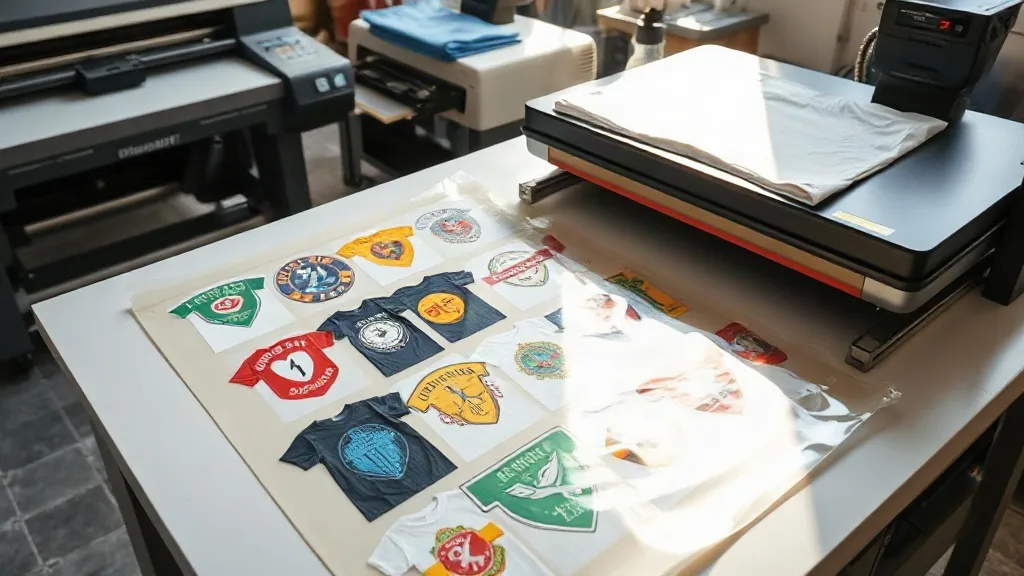
If you're in the custom apparel business, you know that efficiency and quality are the keys to staying competitive. Enter the DTF Gangsheet, a game-changing approach to producing multiple transfers in one go. Whether you're a small print shop owner, a DIY enthusiast, or a growing brand, understanding how to leverage gangsheets can dramatically improve your workflow. In this guide, we'll walk you through everything you need to know about DTF gangsheets, from file preparation to pressing, so you can start reaping the benefits today.
What Is a DTF Gangsheet?
A DTF (Direct-to-Film) gangsheet is a single sheet of transfer film that contains multiple designs arranged together. Instead of printing each design individually, you consolidate them onto one sheet, which is then printed, powdered with adhesive, and cured. This method is incredibly efficient for producing small to medium batches of custom transfers, as it minimizes waste and maximizes productivity.
How DTF Printing Works
DTF printing involves printing your design onto a special film using pigment inks. While the ink is still wet, a hot-melt adhesive powder is applied, and the film is cured. The resulting transfer can be pressed onto almost any fabric, including cotton, polyester, blends, and even dark colors. The gangsheet concept simply means you're printing multiple designs on one film sheet, which is then cut apart after printing.
Why Use a DTF Gangsheet?
There are several compelling reasons to incorporate gangsheets into your production process:
- Cost efficiency: By printing multiple designs on one sheet, you reduce film waste and save on ink and powder.
- Time savings: You can produce many transfers in a single print run, cutting down on setup and printing time.
- Versatility: Gangsheets allow you to mix different designs, sizes, and even colors on the same sheet, making them ideal for sample packs or varied orders.
- Consistency: Printing all designs under the same conditions ensures uniform quality across the board.
How to Prepare Your Artwork for a DTF Gangsheet
Proper file preparation is crucial for a successful gangsheet. Here are the steps to follow:
- Choose the right software: Use a vector graphics program like Adobe Illustrator or CorelDRAW, or a raster program like Photoshop. Ensure your designs are high resolution (300 DPI) for crisp prints.
- Set up the correct canvas size: The standard gangsheet size is 22 inches by 12 inches, but you can customize based on your printer's capabilities. Create a document with the exact dimensions.
- Arrange your designs: Place each design on the canvas, leaving at least 0.25 inches of space between them to allow for cutting. Group similar colors together to optimize ink usage.
- Mirror your designs: Since DTF transfers are pressed face down, you must mirror (flip horizontally) each design before printing.
- Add registration marks: Include small marks or labels to help you identify and cut designs after printing.
- Save as a high-quality PDF or TIFF: Ensure all fonts are outlined and layers are flattened to avoid printing errors.
Printing and Curing Your Gangsheet
Once your file is ready, it's time to print. Load your DTF printer with the appropriate film and ensure the ink levels are sufficient. Print the gangsheet using your printer's recommended settings for DTF. Immediately after printing, apply the adhesive powder evenly over the wet ink. Shake off excess powder and cure the film using a heat press or a curing oven according to the powder manufacturer's instructions. Proper curing is essential for wash durability.
Pressing DTF Transfers from a Gangsheet
After curing, your gangsheet is ready to be cut into individual transfers. Use scissors or a cutting machine to separate the designs. To press a transfer onto a garment, follow these steps:
- Preheat your heat press to 325°F (160°C).
- Place the garment on the press and pre-press for 5 seconds to remove moisture.
- Position the transfer on the garment with the printed side facing up.
- Press with medium pressure for 10-15 seconds.
- Remove the garment from the press and peel the film while it's still warm (hot peel) or cold, depending on the film type.
- For best results, cover with a Teflon sheet or parchment paper and press again for 5 seconds to ensure adhesion.
Common Mistakes to Avoid with DTF Gangsheets
Even experienced users can run into issues. Here are some pitfalls to watch out for:
- Insufficient powder application: Too little powder leads to poor adhesion and fading after washing. Apply generously and shake off excess.
- Uneven curing: Inconsistent curing temperatures can cause the transfer to peel or crack. Use a reliable heat source and monitor temperature.
- Wrong pressure during pressing: Too much pressure can cause the design to spread, while too little results in poor adhesion. Always test with a scrap piece.
- Ignoring fabric compatibility: While DTF works on many fabrics, some (like nylon) may require lower temperatures. Always test first.
Maximizing Efficiency with DTF Gangsheets
To get the most out of your gangsheets, consider these tips:
- Group similar jobs: If you have multiple orders with small designs, combine them on one gangsheet to save film and time.
- Use nesting software: Some RIP software can automatically arrange designs to minimize wasted space.
- Standardize sheet sizes: Stick to common sizes to streamline cutting and pressing.
- Keep a template: Create a template with registration marks and spacing guidelines for quick file setup.
Frequently Asked Questions
What is the maximum size for a DTF gangsheet?
The maximum size depends on your printer's platen and film width. Common sizes are 13x19 inches, 22x12 inches, and 24x36 inches. Check your printer specifications for limits.
Can I mix different designs on one gangsheet?
Absolutely. That's the primary advantage of gangsheets. Just ensure each design is properly spaced and mirrored.
How long does a DTF transfer last?
With proper application and care, DTF transfers can last 50+ washes. Always follow washing instructions: turn garment inside out, use cold water, and avoid harsh detergents.
Do I need special equipment to make DTF gangsheets?
You need a DTF printer, DTF film, adhesive powder, and a heat press for curing and pressing. Some suppliers offer pre-printed gangsheets if you don't want to invest in equipment.
Is DTF printing eco-friendly?
DTF printing generates less water waste than traditional screen printing, but the film and powder are not biodegradable. Look for eco-friendly films and powders if sustainability is a priority.
By mastering DTF gangsheets, you can take your custom apparel business to the next level. Start experimenting with small batches and soon you'll wonder how you ever managed without them.